


PRS Guitars roundup
The Best Prs Guitars for the Money
Right, let's cut through it — here's the honest, category-by-category breakdown of PRS guitars, no hype, so you know exactly where to shop.
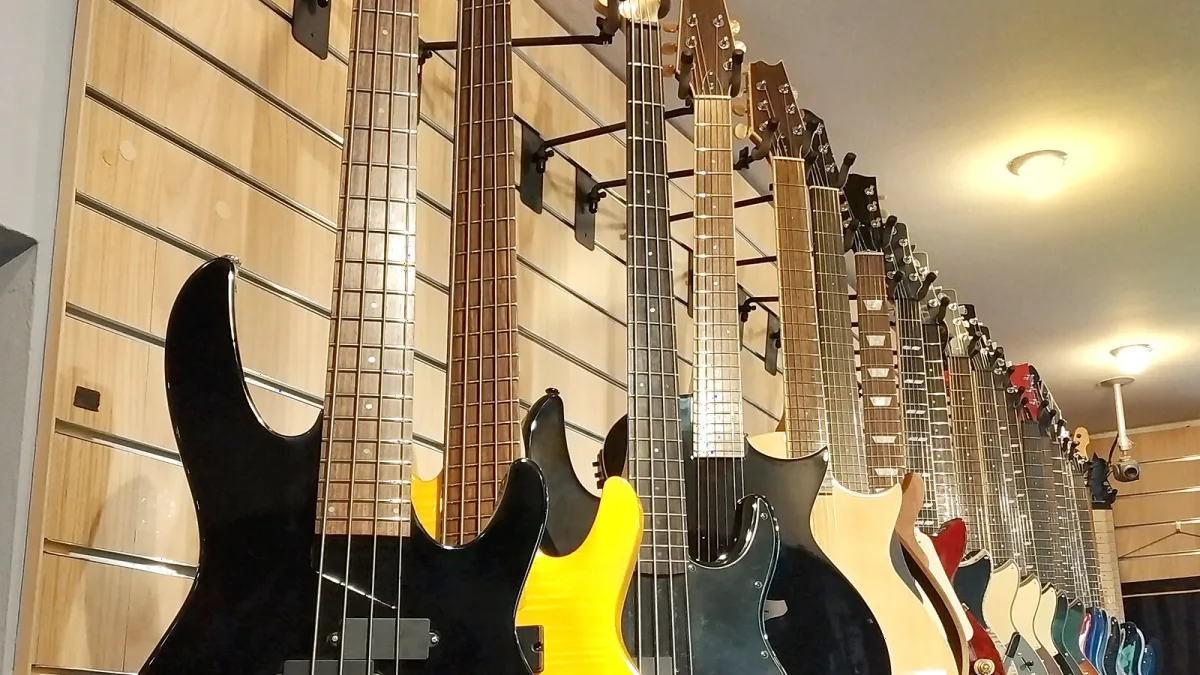
Right, let's cut through it. "Best" means nothing on its own with a range this wide — the right one for a gigging pub-band player is a different animal to the right one for a collector after something truly special. So here's the honest, category-by-category breakdown of PRS guitars, no hype.
Best for Beginners and Backup Duty: SE Range
SE guitars are built to PRS specifications by international manufacturing partners, which keeps the price down without throwing out the ergonomics, bird inlays or general feel that make PRS guitars instantly recognisable. If you're starting out, or you need a reliable, gig-ready backup that won't break the bank if it takes a knock on the road, this is the category to shop in.
Best US-Made Value: S2 Range
Made in Maryland alongside the pricier Core instruments, S2 guitars aren't just "cheap Core" — the range has developed its own body shapes, finishes and hardware specs, including violin-style carves and nitro finishes you won't find on the entry-level SE line. If you want genuine American manufacture without stretching to full Core pricing, this is your category.
Best All-Rounder: Custom 24
The design that started the whole company back at the 1985 NAMM Show is still the safest general-purpose choice. Double-cutaway body, 24 frets, dual humbuckers, a tremolo, and a switching system flexible enough to cover clean tones through to heavy rock without changing guitars. If you genuinely don't know yet what you'll mostly play, start here.
Best Vintage-Voiced Option: McCarty
Where the Custom 24 leans modern and versatile, the McCarty range leans warmer and more traditional — typically 22 frets, vintage-voiced pickups, a stop-tailpiece and a heavier build aimed at sustain over switching flexibility. Good shout for blues, classic rock and anyone who finds a Custom 24 a bit too clinical for their taste.
Best Single-Coil Alternative: Silver Sky
Built with a bolt-on neck and three single-coil pickups, the Silver Sky is PRS's most direct answer to the classic Stratocaster-style sound, developed closely with John Mayer. If you love that spanky, single-coil character but want PRS-level fretwork, tuning stability and hardware, this is the obvious category.
Best for Broad Tonal Range: Studio
The current Studio pairs a 58/15 LT humbucker at the bridge with two Narrowfield pickups, aiming to cover single-coil-ish sparkle, vintage-scooped tones and a proper humbucker growl from one guitar. Solid pick if you play across genres and don't fancy owning three different guitars to do it.
Best for Ultimate Customisation: Private Stock
This is the top of the tree — individually specified instruments built by a dedicated team of luthiers, described by PRS itself as the pinnacle of the brand's design and craftsmanship. Not a practical entry point for most players, but the category exists for collectors and professionals who know exactly what they want and are prepared to pay for it.
Best for Genuine Rarity: A Well-Kept Used Core Guitar
Don't sleep on the used market. A previous-generation Core instrument, properly looked after, can offer the same premium wood, hardware and finishing as current PRS guitars for a price a lot closer to a new mid-range model. You lose the factory warranty and the "new guitar smell", but you gain a fair bit of value if you're patient and check the setup carefully before buying.
How to Actually Use This List
Work out your category first — budget and backup, US value, all-rounder, vintage tone, single-coil sound, tonal flexibility or full customisation — before you start comparing individual specs. Our buyer's guide covers those specs in proper depth, our overview explains how the whole range fits together, and if you're new to the brand, our beginner's guide is the friendlier starting point.
The Bottom Line
There's no single best guitar among PRS guitars, only the best category for how and where you'll actually play. Pick the category that matches your situation above, then start trying specific models within it — and before you buy, have a look at our list of common mistakes to avoid, since a fair few of them happen right at the buying stage.





Comments