


Takamine Guitar roundup
Takamine Guitar: A Complete Buyer's Guide
What genuinely matters before you buy, and the reasoning behind each check, from production line to electronics to body shape.
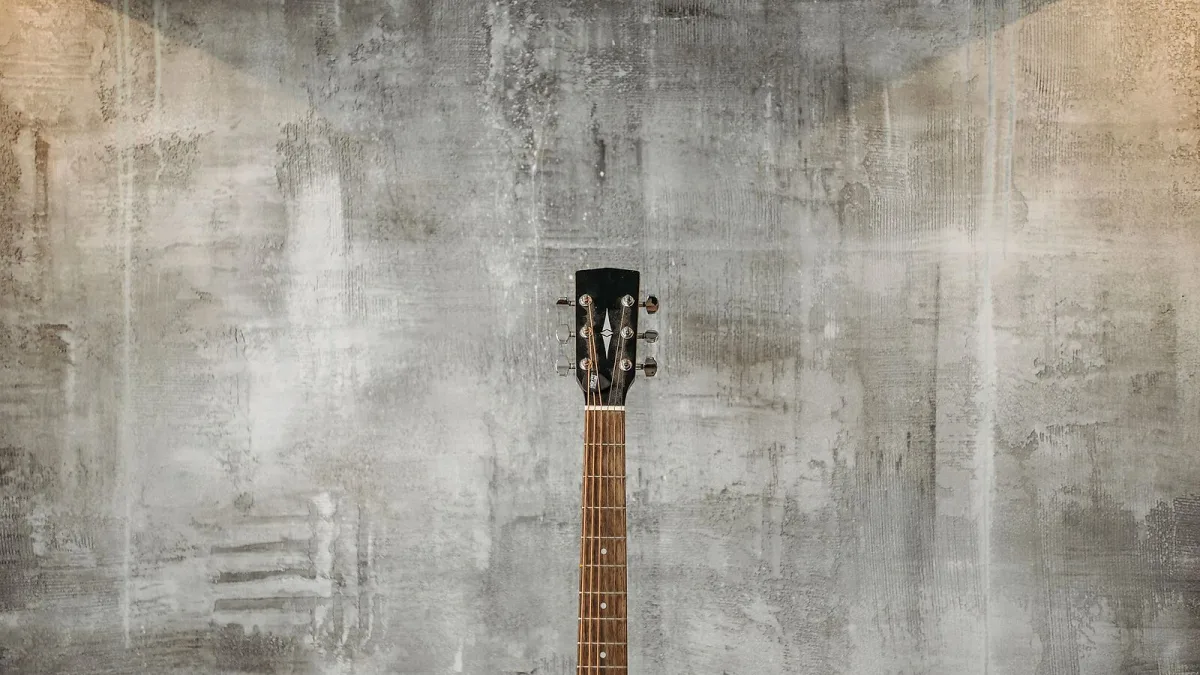
I like knowing why a piece of gear does what it does, not just that it works, so before you buy a Takamine guitar this guide goes a little deeper than "check it plays okay." Here's what genuinely matters before you commit your money, and the reasoning behind each check.
Work Out Which Takamine Guitar Production Line You're Actually Looking At
This is the first thing to establish, and it's easy to skip past. The Pro Series is the premium, Japanese-made line, handcrafted in Takamine's own facility, while other ranges are built to different specifications at different price points. Two guitars can carry the same brand name and be genuinely different products underneath. Ask the seller directly, or find the model number and look it up, before you get emotionally attached to a specific listing.
Understand What You're Paying For: the Electronics
The pickup and preamp are arguably the whole point of buying into this brand rather than a purely acoustic instrument. The Palathetic under-saddle system uses six individually shielded transducers, one per string, which is why balance across the strings tends to hold up well when plugged in. Preamp specifics vary though — you might find a CT4B, a CT4B II, a CTF-2N with a built-in tuner and notch filter, or on some models the valve-driven CTP-1 Cool Tube system. Know which one you're getting, since replacement parts and features differ between them.
Takamine Guitar Checklist Before You Buy
| Check | Why it matters |
|---|---|
| Neck angle and saddle height | Affects playability and how much adjustment range remains |
| Every string through the pickup | Catches piezo imbalance or a dead channel early |
| Battery contacts and output jack | Common wear points on older or well-used instruments |
| Tuner and notch-filter function | Confirms the onboard electronics genuinely work as intended |
| Feedback at realistic stage volume | The whole reason you'd choose this over a plain acoustic |
| Bridge and bridge plate condition | Structural, and expensive to fix if neglected |
Buying a Second-Hand Takamine Guitar: Where the Value Actually Sits
A used model can be genuinely good value, precisely because the electronics are often the main selling point and they either work or they don't — you can test that in the shop. That said, older preamps, worn battery contacts and dodgy output jacks are common enough that a full plug-in test isn't optional. Ask whether replacement preamp parts are still available for that specific system before you buy something with ageing electronics as its core appeal.
Match the Body Shape to How You'll Actually Play
A dreadnought or dreadnought cutaway gives you the classic big, stage-ready low end. NEX-style and jumbo-derived bodies stay full-sounding but sit a little more comfortably. Orchestra and concert shapes trade some low-end for balance and easier handling, which matters more than people expect after a two-hour gig. Don't buy the biggest body because it looks the most impressive in a shop window; buy the one that suits how long you'll actually be holding it.
Be Honest About Acoustic Versus Amplified Priorities
This brand's genuine strength is live amplification. If you're buying primarily for unplugged bedroom playing or acoustic recording with a microphone, the sophisticated pickup system you're partly paying for isn't doing much work for you, and the money might be better spent on a guitar built with a different priority. Ask yourself honestly how often you'll actually plug in before choosing a specific model. Our overview guide covers what the electronics and body options actually do in more depth if you want the full picture first.
Once You've Narrowed It Down
If you're weighing up specific models against each other, our guide to the best options for the money breaks it down by budget and use case, and our list of common mistakes to avoid is worth a read before you hand over any money.
The Bottom Line
Buy a Takamine guitar on confirmed production line, tested electronics and a body shape that suits your actual playing, not on the badge alone. Do that and it can genuinely serve you for years on stage.






Comments