


Tanglewood article
Tanglewood Explained: Features, Types and Tips
Tanglewood guitars span budget starters to all-solid, handmade instruments. Here is what the ranges, body shapes and construction terms actually mean.
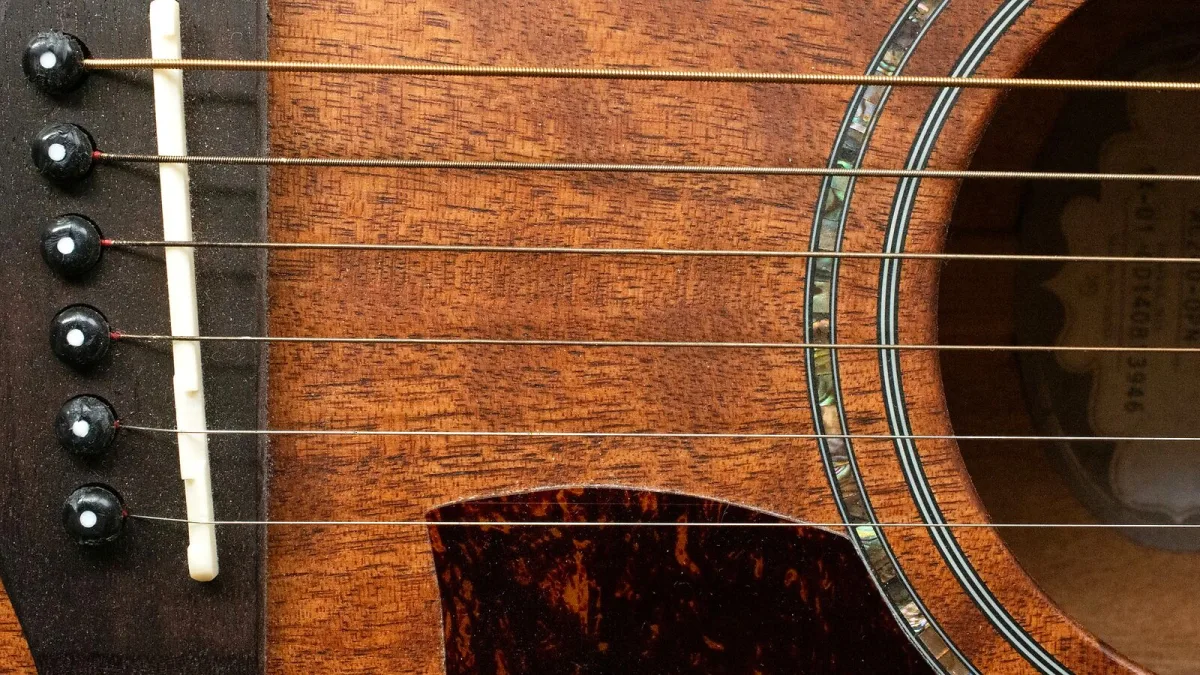
Ask five guitarists what a “Tanglewood” actually is and you will get five different answers — and that is rather the point. Tanglewood guitars are not built around one signature shape or one secret formula for tone; they are a sprawling family of dreadnoughts, travel guitars, parlour models, classicals and electro-acoustics that share a name and a value-for-money ethos rather than a single blueprint. I usually spend my time chasing loud, distorted tone, but a well-built acoustic still stops me in my tracks — so here is the full picture on Tanglewood: what the ranges actually mean, how the guitars are put together, and which details genuinely matter.
What Tanglewood Is, in Plain Terms
Tanglewood is a UK-associated guitar brand sitting in the value-to-mid-market bracket of the acoustic world. Rather than chasing one flagship model, it spreads across dozens of instruments aimed at everyone from a nervous first-time buyer to a gigging singer-songwriter who wants a solid-topped, stage-ready electro-acoustic. That breadth is the brand’s whole identity: the same catalogue holds a budget starter guitar and an all-solid, handmade-in-York instrument a few pages apart.
Because the name covers so much ground, it is not much use on its own as shorthand for quality or tone. Two Tanglewood guitars can differ hugely in construction and sound depending on which range they come from — the range name matters more than the badge.
The Ranges at a Glance
Tanglewood organises its catalogue into named ranges, each with its own general positioning. A quick table is the fastest way to get your bearings:
| Range | General positioning |
|---|---|
| Discovery / Strada | Entry-level, budget-friendly instruments for first-time buyers |
| Winterleaf | Solid-top acoustics, including compact travel-friendly models |
| Crossroads | 1930s-inspired, predominantly all-mahogany styling |
| Java | Travel and parlour-focused instruments, sometimes in distinctive woods |
| Blackbird / Azure | Mahogany-oriented and exotic-wood electro-acoustics |
| Premier | Higher-specification, all-solid spruce-and-mahogany guitars, some with Fishman electronics |
| Tanglewood Great Britain | All-solid instruments described by retailer guitarguitar as handmade in York |
| Sundance Performance Pro | Higher-end instruments using selected solid tonewoods, including torrefied timber on some models |
None of this is exhaustive — ranges get refreshed — but it shows the shape of the catalogue: plenty of budget and mid-range volume at one end, smaller runs of higher-specification, all-solid Tanglewood guitars at the other.
Body Shapes: Which One Are You Actually Looking At?
Body shape changes how a guitar feels and sounds more than almost any other spec on Tanglewood guitars, so it is worth knowing your options:
- Dreadnought — the big, broad-shouldered shape most people picture first. Strong projection and bass response, popular for strumming and flatpicking, less kind to smaller players over a long session.
- Auditorium / orchestra — a mid-sized shape that balances projection with comfort, good for mixed picking and strumming and a common choice for recording.
- Super Folk Cutaway — Tanglewood’s own recurring shallow, modern folk shape. The slimmer body is comfortable to hold and the cutaway opens up the upper frets, at a small cost to overall body volume.
- Parlour — a small-bodied, historic shape linked to blues and fingerstyle playing. Less low-end power than a dreadnought, but often a focused, articulate midrange.
- Travel — reduced dimensions for portability, such as the mahogany TW2 T with its narrower 43 mm nut.
Solid Top, Laminate or HPL: the Construction Question
This is the single most important spec once you get past body shape. A solid top is carved from a single piece (or two bookmatched pieces) of solid wood rather than a laminated sandwich, and it generally offers more tonal complexity, with some scope to open up further as it is played in. Tanglewood’s Winterleaf range is built around solid tops, and models like the TW1 pair a solid spruce top with mahogany back and sides.
Further down the catalogue you will find laminated construction and HPL — high-pressure laminate, a manufactured layered board used in place of solid wood. Neither is automatically a bad thing: laminate and HPL guitars tend to be cheaper, more consistent from one instrument to the next, and more forgiving of humidity swings. What matters is knowing which you are buying, because “Tanglewood” alone tells you nothing about it — you have to check the individual model.
Tonewoods You Will Come Across
Spruce tops turn up across the catalogue on many Tanglewood guitars and are generally associated with clarity, projection and a wide dynamic range. The Crossroads TWCR DCE, by contrast, pairs a hand-selected mahogany top with mahogany back and sides for a warmer, more mid-focused voice. Elsewhere you will find black walnut (on the Discovery DBT D CE BW), ovangkol on the Roadster X, and the odd exotic wood on Java and Azure models. Treat all of this as a general tendency rather than a guarantee: bracing, body size, strings and setup all shape the final sound as much as the timber does.
Electronics on the Electro-Acoustic Models
Plenty of Tanglewood guitars are electro-acoustic, meaning they carry a built-in pickup and preamp so you can plug straight into an amp or PA without standing in front of a microphone. You will see Tanglewood’s own TW-EX4 preamp on models like the TWCR DCE, and Fishman’s Presys preamp paired with a Sonicore pickup on the TW1. Electronics are not fitted across the board, and since Tanglewood guitars vary so much on this point, it is worth plugging in before you buy — tone controls, a built-in tuner and how the pickup behaves at volume vary noticeably between systems.
Before You Choose One
Because the badge covers so much ground, the smart move is to work backwards from how you will actually play. Weighing up your first purchase? Our complete Tanglewood buyer’s guide walks through the specs that actually matter. If you are new to guitar altogether, the beginner’s guide to Tanglewood is the gentler starting point. Want specific picks by budget and use case? We break that down in the best Tanglewoods for the money. And before handing over any cash, it is worth a quick read of the common mistakes buyers make — a couple of them are easy to walk straight into.
The Bottom Line
Tanglewood guitars cover an unusually wide span for a single brand: cheap-and-cheerful starter instruments, solid-top mid-rangers, and small runs of all-solid, higher-specification guitars at the top. The name tells you the family; the range and the individual spec sheet tell you everything else. Learn to read body shape, top construction and electronics rather than the badge, and you will end up with the right instrument rather than just a Tanglewood.






Comments