


Chapman Stick article
Chapman Stick Explained: Features, Types and Tips
One player, two independent hands, and a bass line, chords and melody all at once — here's how the Chapman Stick actually works.
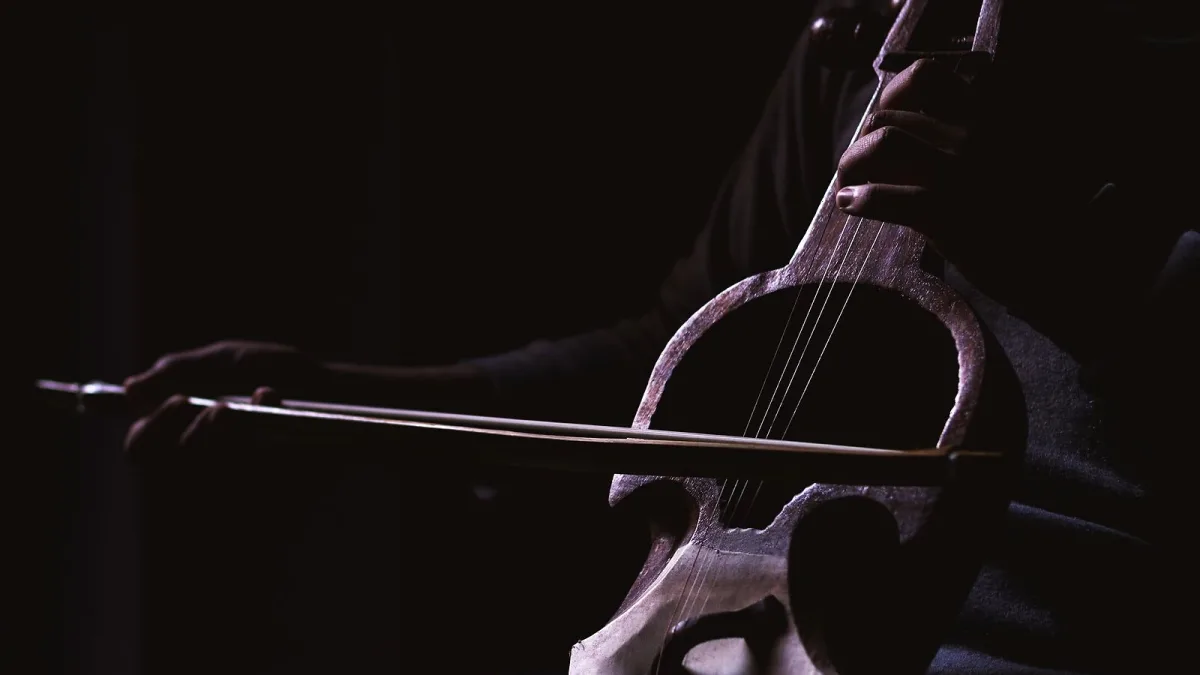
The Chapman Stick isn't a guitar with extra strings, and it isn't a bass either, even though it does both those jobs at once. It's its own thing entirely — a tapping instrument built so one player can handle bass, chords and melody simultaneously. Here's what it actually is, how it's built, and what makes it tick.
What Is a Chapman Stick?
Invented by Emmett Chapman and first sold commercially in 1974, the Stick is a long, narrow, fretted instrument played by tapping strings against the frets with both hands rather than plucking or strumming them. Chapman called his approach the "Free Hands" technique — the idea that both hands work independently, each capable of sounding its own notes, instead of one hand fretting while the other picks. The standard model has ten strings: five bass strings and five melody strings, and it's an electric instrument, so it needs amplification to be heard properly.
How Tapping Actually Works on a Chapman Stick
On a normal guitar, tapping is a technique you dip into occasionally. On a Stick, it's the whole method. Instead of picking a string to start a note, you strike it firmly against a fret with a fingertip, and that impact alone generates enough energy to sound the note. One hand typically handles the bass strings, the other the melody strings, though both can cross over, and both hands work independently rather than one supporting the other. That independence is really the entire point of the instrument.
Reciprocal Tuning, in Plain Terms
A Chapman Stick's ten strings split into two groups with what's called reciprocal tuning: the bass strings are tuned in ascending fifths, the melody strings in ascending fourths, and the lowest string of each group sits toward the centre of the fretboard, with pitch rising outward toward the edges. A commonly cited Classic tuning, from low bass string across to high melody string, runs E–A–D–G–C | F♯–B–E–A–D. The two groups use complementary interval patterns, so shapes and scales you learn on one side have a related shape on the other. It sounds complicated written out; on the instrument, it's designed to make sense under the hands fairly quickly.
The Model Range
| Model | Main characteristic | Best suited to |
|---|---|---|
| The Stick | Standard 10-string format | General-purpose bass, harmony and melody |
| Grand Stick | Wider 12-string format | Expanded range and fuller two-handed arrangements |
| Railboard | Aluminium construction | Players wanting a distinct structural feel |
| SB8 Stick Bass | Bass-oriented 8-string format | Players prioritising low-end work |
| Alto Stick | Shorter scale, higher register | Melody-focused playing, smaller reach |
| NS/Stick | More conventional bass-style body | Bassists wanting familiar ergonomics plus tapping |
Manufacturer Stick Enterprises has produced this design in several scale lengths and configurations, so specifications can shift between production periods — always check current manufacturer information rather than an old forum post.
Getting a Chapman Stick Heard: Amplification
Because the bass and melody sides can be wired separately, a Stick is often run through two amps or a stereo rig — bass amplification for the low strings, guitar or full-range amplification for the melody side. Some players simplify this into a single mixed signal instead. Effects like compression, delay, chorus and reverb are common, and loopers are a natural fit given how self-contained a solo performance on this instrument already is.
Who Plays One, and Why It Matters
Tony Levin is the name most people encounter first, largely through his decades of work with King Crimson, where the Stick supplied low end, texture and melody often within the same passage. Alphonso Johnson helped popularise it earlier through jazz-rock and fusion, and Greg Howard became known as both a performer and an educator on the instrument. Between them, they show what the design is actually for: one musician functioning as a complete rhythm section and lead voice at once.
Is It Worth Learning?
It isn't simpler than guitar or bass, just different. You lose the need to pick, but you gain the challenge of two genuinely independent hands, careful muting, and a fretboard geometry that doesn't map directly onto anything you've played before. If that sounds like your kind of challenge rather than a barrier, our beginner's guide is the sensible next stop, our setup walkthrough covers getting one properly playing-ready, and our buyer's guide will help you choose which model actually fits what you want to do with it.





Comments