

Guitar Frets roundup
The Best Guitar Frets for the Money
Not all fret wire is equal — and knowing which material and size offers real value for your playing style saves money in the long run. Here is a practical breakdown.
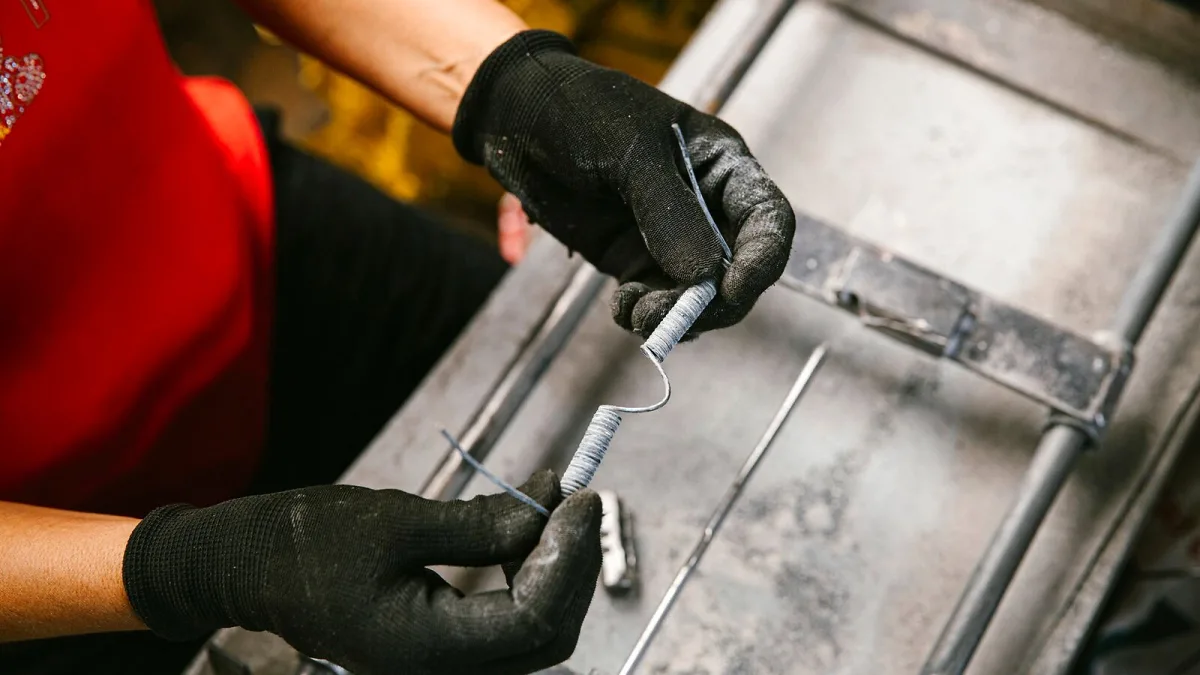
The best guitar frets for the money depend on what kind of player you are and what you're asking the frets to do. A touring guitarist burning through strings and demanding consistency benefits from different fret wire than a bedroom player who changes guitars infrequently. Here is a practical breakdown by material and use case, covering what the market actually offers and where the value genuinely lies.
Nickel-Silver Guitar Frets: The Reliable Default
For most players, nickel-silver frets offer the best value. They are standard on the vast majority of guitars at every price point, from entry-level instruments to mid-range workhorses. Nickel-silver is soft enough to feel comfortable, consistent enough to intonate well, and widely available as replacement fret wire.
If you play casually or semi-regularly, nickel frets will last years before needing attention. Dunlop 6100 jumbo nickel-silver frets are among the most commonly installed by guitar technicians and luthiers in the UK and US, and are a solid choice for refrets on instruments where the player wants jumbo frets without premium pricing. Dunlop 6105 (narrow but tall) is another popular profile with a similar value profile.
Stainless Steel Guitar Frets: High Upfront Cost, Long-Term Saving
Stainless steel frets are the best value option for regular or professional players who intend to own the same guitar for a decade or more. Jescar 57110-S and Dunlop 6105-S are well-regarded stainless options. Fitting stainless frets costs more — both for the wire itself and for the labour, since stainless is harder to install than nickel. But the dramatic increase in durability means a single refret may last the instrument's lifetime.
If you gig weekly, practice daily and love a guitar you want to keep in optimal playing condition, stainless frets pay back over time. The initial cost difference compared to nickel is real but, spread across ten years of playing, is relatively modest compared to repeated dressings and refrets.
EVO Gold Guitar Frets: Boutique Value
EVO gold frets are a titanium alloy that wears more slowly than nickel and sits below stainless in hardness. The gold appearance suits some vintage-spec instruments aesthetically. Jescar's EVO gold wire is the most widely used version. It is more expensive than nickel and less widely available, but it offers a good balance for players who want longevity and dislike the look or feel of stainless.
Fret Size and Value
Fret size affects comfort and playing style, not necessarily durability. Taller frets tend to stay playable longer because there is more material to level before replacement is necessary. If you are choosing guitar frets for a refret primarily on value grounds, medium-jumbo stainless is arguably the optimal combination: decent height for longevity and bend comfort, and the durability of stainless steel.
What to Avoid
Very cheap fret wire on budget instruments can be inconsistent in hardness and dimension. Frets that are not level straight from the factory, or that develop problems quickly, indicate poor quality control. For a refret on a guitar you value, buying quality fret wire from established brands costs relatively little compared to the labour involved — it is not an area to economise. See our full guide for an explanation of each type, and our buyer's guide for what to look for when purchasing a guitar.





Comments