

Gibson J45 roundup
Gibson J45: A Complete Buyer's Guide
Everything to check before buying a Gibson J-45, new or vintage — the specs that matter, the era that changes the feel, and the pitfalls worth avoiding.
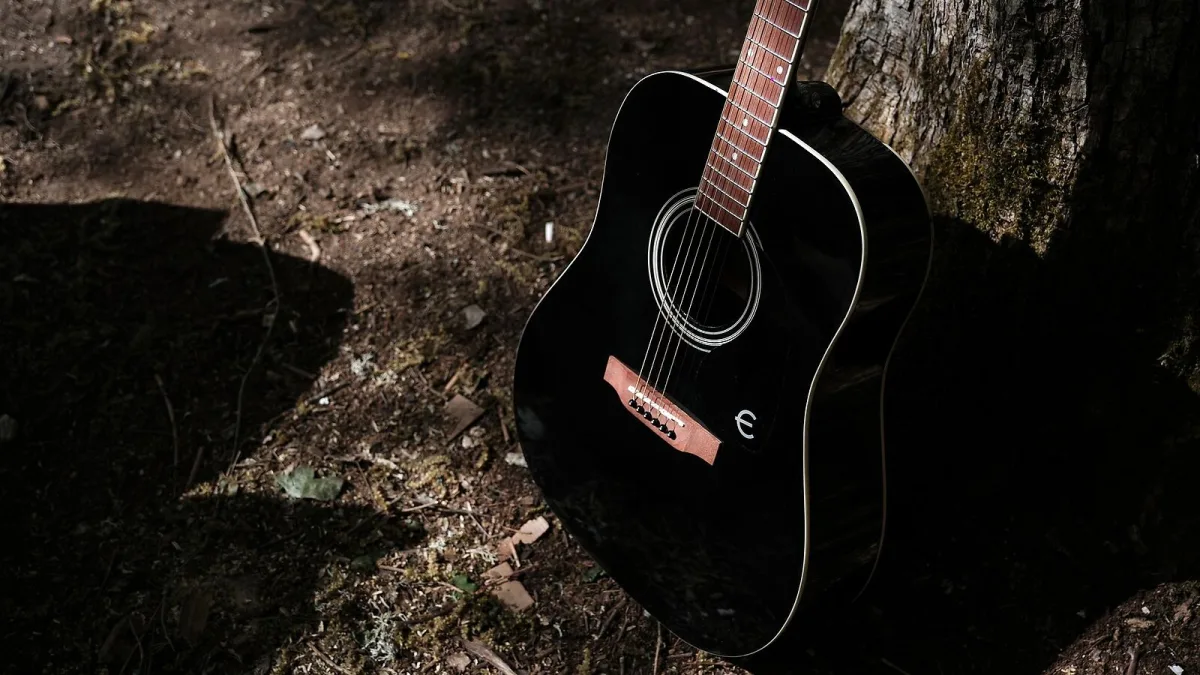
Buying a Gibson J-45 isn't complicated once you know which questions to ask — but it's easy to get talked into the wrong spec, or the wrong era, if you don't. This guide walks through exactly what to check, from tonewoods and bracing to the practical difference between a brand-new Standard and a decades-old original, so you can spend your money on the guitar you actually want.
Step One: New Standard or Vintage?
Before comparing specs, settle this bigger question, because it changes everything else about how you shop. A current Gibson J-45 Standard gives you predictable, USA-made construction, a factory warranty and no guesswork about condition. A vintage example gives you an instrument with decades of wood movement, a specific production-era spec, and — if you're lucky — years of playing-in that a new guitar simply hasn't had yet. Neither choice is objectively "better." They're different purchases with different risks, and you should decide which risk profile suits you before you fall for a specific listing.
The Specs That Actually Matter
Strip away the marketing copy and the current Gibson J-45 Standard comes down to a short list of genuinely meaningful specs. Here's what to check on any listing, new or used:
| Spec | What to look for | Why it matters |
|---|---|---|
| Top | Solid Sitka spruce | Solid wood moves air more freely than laminate and improves with age; laminate tops on "J-45 style" copies are not the same instrument |
| Back and sides | Solid mahogany | Drives the direct, woody midrange the model is known for |
| Scale length | 24.75 inches | Shorter scale than many dreadnoughts; lower tension, easier fretting |
| Bracing | Hand-scalloped X-bracing | Lets the top move more freely; contributes to the warm, responsive feel |
| Neck | Mahogany, SlimTaper profile on current models | Comfortable for most hand sizes; vintage necks can differ substantially |
| Nut width | Around 1.72in (43.8mm) on the current Standard | Affects fingerstyle comfort and chord spacing — check it if you have particular hand-size preferences |
| Electronics | LR Baggs VTC under-saddle system on current models | Needed if you plan to play live or through a PA without a separate microphone |
Round-Shoulder or Square-Shoulder: Know Which Era You're Looking At
This is the single most important thing to get right when shopping used. Gibson built the J-45 as a round-shoulder guitar from 1942, then switched to a square-shoulder body and a longer 25.5-inch scale around 1969. That's not a small tweak — it changes the string tension you'll feel under your fingers and shifts the tonal balance. If a listing doesn't specify the shoulder shape or scale length, ask before you buy, because "vintage J-45" on its own tells you almost nothing about what you'd actually be getting.
Our overview of the Gibson J-45's history goes into more detail on how the model changed across the decades, if you want the full background before you shop.
Inspecting a Vintage Example Before You Commit
Vintage guitars reward careful eyes. Before handing over money for an older Gibson J-45, work through this checklist in person or ask the seller for close-up photos and video:
- Neck angle and saddle height — a low saddle usually means the neck has shifted and will need reset work
- Top bellying or doming behind the bridge — a sign of long-term string tension pulling on the top
- Bridge lifting at the edges, which points toward a failing glue joint
- Cracked or reglued braces, visible with a torch through the soundhole
- A repaired headstock or neck break — not automatically a dealbreaker, but it must be reflected in the price
- A replaced bridge, bridge plate or pickguard — fine if disclosed, a red flag if it wasn't mentioned
- Overspray or a full refinish, which can mask repairs and reduces collectable value
- Non-original tuners, which are a cheap and common swap
- Fret wear and general fingerboard condition
A guitar with honest, well-executed repairs is very often a smarter buy than one that's supposedly untouched but structurally unstable. Don't let "all original" talk you out of asking a qualified repairer to look it over first.
Electronics: What the LR Baggs VTC Actually Gives You
If you plan to gig, the current Standard's built-in LR Baggs VTC undersaddle pickup and preamp matters more than it might seem on paper. When you're evaluating any acoustic-electric J-45, check:
- Feedback resistance at stage volume, particularly if you play loud rooms
- Pickup balance string-to-string — an uneven saddle contact can make one or two strings jump out
- How natural it sounds through a PA compared with a simple microphone
- How easy the battery is to reach and replace without unstringing the guitar
Most undersaddle systems benefit from a proper saddle fit and setup, so budget for a professional check even on a brand-new guitar.
Budgeting Sensibly
Prices move around by region, finish and Gibson's current catalogue, so treat any specific figure as a snapshot rather than gospel. As one data point, Gibson's more historically styled J-45 Century 12-Fret variant has been reviewed with a list price around $2,399 — a useful reminder that special or reissue-style models sit well above a standard configuration, so always confirm exactly which model a price refers to before comparing it to anything else. Broadly, budget in tiers: a new Standard at the top of Gibson's core range, a used Standard in good condition for meaningfully less, and vintage examples priced almost entirely on originality and condition rather than age alone.
Common Buying Pitfalls
- Assuming "vintage" means round-shoulder. Plenty of genuine vintage J-45s are square-shoulder, post-1969 examples.
- Comparing a Standard's price to a limited-edition or reissue model. Check the exact variant, not just the model name.
- Skipping a proper setup check. Even a new guitar benefits from a saddle and action check before you judge its playability.
- Ignoring hand size and nut width. If you have larger hands, try before you buy — the SlimTaper neck won't suit everyone.
- Buying on reputation alone. The J-45's history is genuinely impressive, but it doesn't excuse skipping the structural checks above on a used instrument.
New to the model entirely and not sure it's the right first guitar? Our beginner's guide covers that decision specifically, and our round-up of the best models for the money narrows down which current configuration suits which budget.
The Bottom Line
Buying with confidence comes down to three things: knowing which era or configuration you're actually looking at, checking the specs that genuinely affect sound and feel rather than the ones that just sound impressive in a listing, and inspecting any used example properly before you commit. Get those three right and a Gibson J-45 — new or vintage — is about as safe a long-term purchase as an acoustic guitar gets.






Comments