


Flying V article
Common Flying V Mistakes to Avoid
Benjamin runs through the specific mistakes Flying V buyers keep making, with a quick, practical fix for each one.
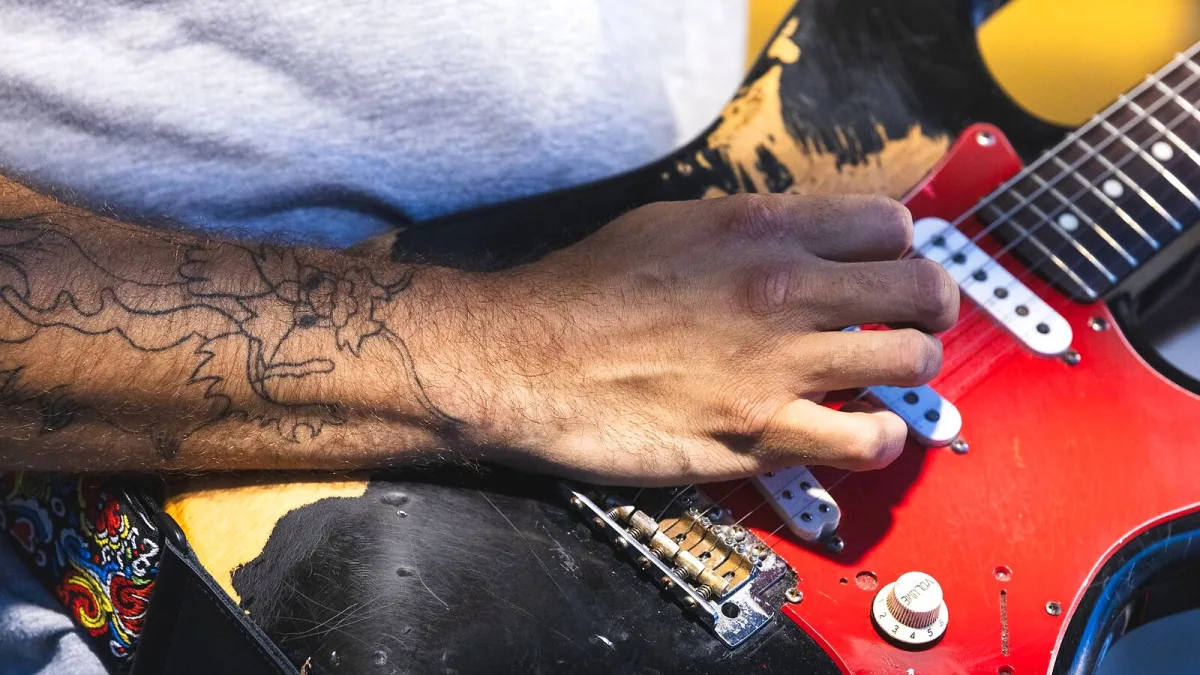
Most Flying V mistakes aren't about the guitar itself — they're about assumptions people bring to a Flying V from owning more conventional shapes. It looks dramatic, plays a bit differently, and gets marketed almost entirely at one genre despite a much broader history. Here are the specific errors that trip people up, and the quick fix for each.
Mistake: Assuming Every Flying V Is Built the Same
The shape looks consistent across brands, but the specs underneath frequently aren't. A traditional Gibson-style build typically runs a 24.75-inch scale with 22 frets, while metal-oriented alternatives from Jackson, Dean or ESP/LTD often use longer scales, 24 frets and locking tremolos. Buying a Flying V on silhouette alone, without checking these numbers, is how players end up with an instrument that doesn't suit their actual playing style.
The fix: compare scale length, fret count and bridge type before you compare price or looks.
Mistake: Ignoring the Seated Playing Position Until It's Too Late
This one catches out almost every new Flying V owner at least once. The lower wings don't rest against your leg the way a rounder body does, so sitting down and playing normally can feel unexpectedly awkward on first attempt.
The fix: rest one leg between the two wings, similar to a classical guitar hold, and test this seated position in the shop before you buy rather than discovering it's uncomfortable once you're home.
Mistake: Skipping the Strap Test
Depending on the specific model, weight distribution and strap-button placement, some examples lean noticeably toward neck dive — the headstock drifting downward when you let go with your fretting hand.
The fix: always try the guitar standing with a strap on before buying, not just sitting at the counter. A wide, well-positioned strap fixes most balance issues, but you want to know about it beforehand, not after.
Mistake: Overpaying for "Korina" Without Verifying It
Korina, the light hardwood used on the original 1958 Flying V run, carries real historical weight and a real price premium. Some listings use the term loosely, or apply it to modern reissues that shouldn't be priced like a genuine vintage instrument.
The fix: verify construction against known reference specs for the specific year and model, and treat "korina" claims on unusually cheap listings with real suspicion.
Mistake: Assuming Tonewood Explains Everything
Korina versus mahogany gets discussed endlessly online, but pickups, strings, amplifier and setup usually shape the final sound more than the body timber alone. Chasing a specific wood while ignoring everything else is a common way to spend money without actually getting closer to the tone you want.
The fix: audition the whole signal chain, not just the spec sheet. A cheaper guitar with good pickups and a proper setup will often beat an expensive one with neither.
Mistake: Buying Purely for the Metal Association
It's an easy trap: seeing your favourite metal guitarist wielding one and assuming that's the only thing it's good for. In reality, its earliest and most influential players were blues musicians, and it handles clean tones and classic rock just as capably as high-gain riffing.
The fix: judge the guitar on how it actually sounds and feels for the music you play, not on which genre its marketing leans toward.
Mistake: Skipping the Setup After Changing Strings or Tuning
Dropping to a lower tuning or moving to heavier strings changes neck relief, intonation and nut fit. Skipping a recheck afterward is one of the most common ways players end up blaming the guitar for a problem that's actually just an outdated setup.
The fix: recheck intonation and neck relief every time you meaningfully change string gauge or tuning, especially if you're chasing lower tunings for a heavier sound.
Quick-Reference Table
| Mistake | Quick Fix |
|---|---|
| Assuming all V-shapes are identical | Compare scale, frets and bridge type |
| Ignoring seated position until later | Test the classical-style seated hold in-shop |
| Skipping the strap test | Always try it standing with a strap on |
| Overpaying for unverified "korina" | Check specs against the correct year and model |
| Chasing tonewood alone | Audition pickups, amp and setup together |
| Buying only for genre association | Judge it on your own music, not the marketing |
| Skipping setup after string changes | Recheck intonation and relief every time |
Where to Go Next
If you're still working out whether this shape suits you at all, our beginner's guide covers the basics in a friendlier, less checklist-driven way. Ready to actually shop? our full buyer's guide breaks the market down by category, and our features and history explainer fills in the background on why some of these mistakes happen in the first place.
The Bottom Line
None of these Flying V mistakes are complicated once you know they exist — they mostly come down to treating an unusual shape like a familiar one, and skipping the couple of extra checks that unusual shape actually needs. Slow down, try before you buy, and verify the specific claims a listing makes rather than the reputation of the shape in general.






Comments