


Fender Play article
Fender Plays: A Complete Guide
A thousand tutorials open in tabs and no idea where to start? Here's the honest, unhurried version of what Fender Play actually offers.
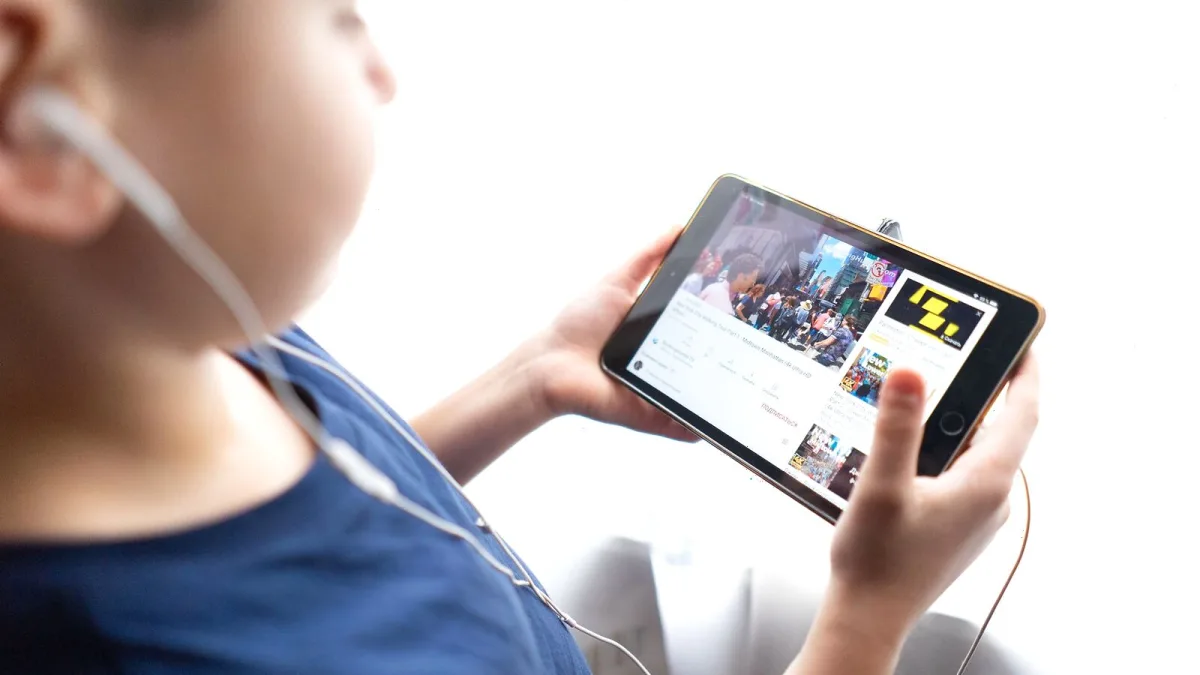
There's a particular kind of stuck feeling every new guitarist knows: a thousand YouTube tutorials open in tabs, no idea which one to watch first, and a guitar gathering dust on the sofa. Fender Play was built specifically to solve that problem, and having spent a fair bit of time poking around what it actually offers, here's the honest, unhurried version of what you're signing up for.
What Fender Play actually is
Fender Play is Fender's subscription-based online learning platform for guitar, bass and ukulele, launched back in July 2017 in the US, UK and Canada. It's aimed squarely at beginners and early intermediate players, delivering short, guided video lessons rather than the sprawling, unstructured catalogue you'd find hunting around video sites on your own. You don't need Fender-branded gear to use it — the lessons work with whatever guitar, bass or ukulele you've already got, though some subscription tiers do come with a discount on Fender equipment if you're tempted to upgrade along the way.
How the curriculum is actually organised
Fender's own documentation describes the structure as a simple hierarchy: Path → Level → Course → Lesson.
- Path — an overall curriculum built around your instrument and preferred style, whether that's rock, blues, pop, country or folk.
- Level — a stage of progression within that path.
- Course — a group of related skills or concepts.
- Lesson — the individual instructional unit you actually sit down and watch.
That structure is really the whole point. Instead of choosing topics at random and hoping they add up to something, you're handed a route from your very first chord through to playing recognisable songs, which addresses one of the most common reasons beginners quietly give up.
What's inside a typical lesson
Lessons generally combine an instructor demonstration with close-up views of the fretting and picking hands, chord diagrams, tablature and rhythmic guidance, slow practice sections, and a way to apply whatever you've just learned to an actual song using backing tracks. That last bit matters more than it sounds — turning a dry technique exercise into something that sounds like real music, quickly, is a genuinely good way to keep a beginner motivated.
What you'll need to get started
| You'll need | Why |
|---|---|
| An instrument in playable condition | Any brand works, not just Fender |
| A tuner | An out-of-tune guitar makes every lesson harder than it needs to be |
| An amplifier (for electric guitar or bass) | You genuinely need to hear what you're playing |
| Headphones or speakers, and a stable internet connection | Every lesson streams through the app or website |
| A phone, tablet, computer or supported TV | Fender Play works across devices, and a Samsung TV app was reported to be arriving during 2026 |
What it actually costs — and why you should double-check
Pricing on Fender Play has shifted over the years and varies by country, billing channel and promotion, so treat any figure you read — including this one — as a starting point rather than gospel. Recent listings put US pricing at around $19.99 a month or roughly $149.99 a year, with trial periods reported at around 7 days for monthly plans and 14 days for annual ones; Fender's original 2017 launch offered a longer 30-day trial, which is now historical rather than current. Always check the live price and trial terms on Fender's own site before subscribing, since it genuinely does move around.
Is it a replacement for a real teacher?
Honestly, not entirely, and Fender Play doesn't pretend otherwise. A video lesson can show you where to put your fingers and how a rhythm should feel, but it can't hear you playing and correct a specific timing hiccup or a bit of unwanted tension in your wrist the way a live teacher can. Where it genuinely earns its keep is cost and flexibility — it's usually cheaper than a run of weekly private lessons, and you can practise at 11pm in your pyjamas if that's when the mood strikes. Think of it as a structured, self-paced first few years rather than a permanent substitute for feedback from a real person.
A sensible way to actually practise with it
The lessons being short is a feature, not a shortcut — it's easy to click through video after video and feel like you're progressing without actually building the muscle memory. A better rhythm looks something like this: briefly review yesterday's lesson, learn one new idea, play it slowly against a metronome or backing track, then apply it to a song. Recording a short take of yourself now and then is a genuinely humbling but useful habit outside the app too — it's far easier to hear your own timing slips and buzzing strings played back than in the moment.
Where it fits, and where it doesn't
It covers electric guitar, acoustic guitar, bass and ukulele, which makes it a sensible one-stop option if you're picking up more than one of those instruments. It's genuinely strong for absolute beginners and early intermediates who want songs woven into technique from day one. Where it's less suited is advanced territory — deep jazz harmony, specialised classical technique or serious audition prep are outside its brief, and at that point most players do end up seeking a specialist teacher or a more advanced course alongside it.
The bottom line
Fender Play won't turn anyone into a guitarist by osmosis, but as a structured, affordable way to go from "never touched a guitar" to "can actually play a few real songs," it does exactly what it sets out to do. Check current pricing and trial terms before you commit, be honest about how much you'll actually practise between lessons, and it's a genuinely sensible starting point for anyone who's been putting off learning simply because they didn't know where to begin.




Comments