


Fender Mustang Amps roundup
Fender Mustang Amps: A Complete Buyer's Guide
Fender Mustang covers several genuinely different amps. Get the family right first and everything else follows.
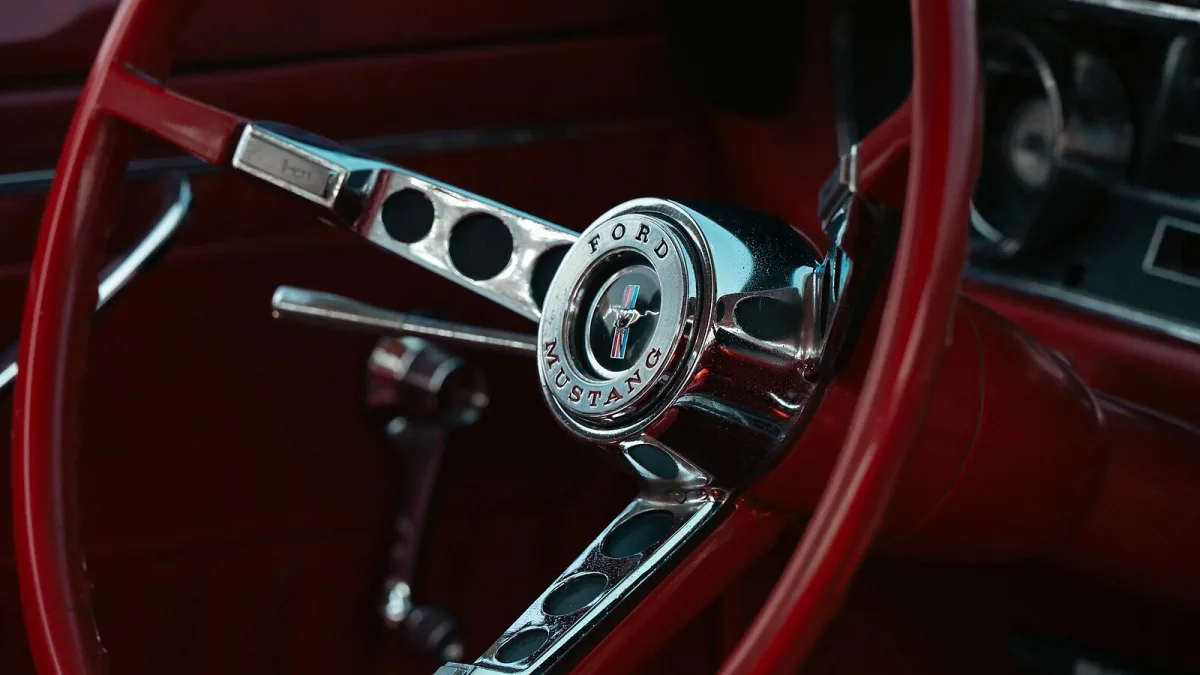
Right, before you buy a Fender Mustang, you need to know that the name covers several genuinely different amps, not one product with a few colour options. Get the family right first and the rest of the decision sorts itself out.
Work Out Which Family You Actually Need
LT models are the simplest: moderate power, a straightforward preset system, and none of the deeper editing complexity of the other ranges. GT and GTX models add Bluetooth, Wi‑Fi and a much larger library of amp voices and effects, aimed at players who want to dig into editing and connect wirelessly to an app. The Mustang Micro skips a speaker entirely, built purely for silent, headphone-based practice. Don't buy into the GTX range assuming it's "just the posh version" of the LT — it's a genuinely different feature set, not simply more of the same thing.
Specs Worth Actually Checking
| Spec | Why it matters |
|---|---|
| Speaker size (8-inch vs 12-inch) | Affects low-end fullness and projection more than wattage does |
| Wattage | A rough guide to headroom, not a direct measure of loudness |
| Connectivity (USB, Bluetooth, Wi‑Fi) | Only present on certain generations — check before assuming |
| Number of amp models and effects | Varies significantly between LT, GT and GTX |
| Firmware support | Older discontinued models may not get the same ongoing updates as GT/GTX |
How It Compares to the Competition
Fender Mustang sits alongside modelling amps like the Boss Katana, Line 6 Spider and Catalyst, Yamaha THR, Positive Grid Spark, Blackstar ID:CORE and Silverline, and Vox Valvetronix. None of these is a straightforward "better" or "worse" — they differ in their approach to editing, connectivity and amp voicing philosophy. If you're cross-shopping, spend time with the actual control layout and companion app of each before deciding, rather than comparing spec sheets alone.
Common Buying Mistakes
A few things trip people up specifically at the purchase stage: assuming a higher wattage number automatically means a louder or better amp; buying a GTX for the huge amp library and never using more than three presets; picking a small 8-inch combo for a rehearsal setting where a 12-inch speaker would serve far better; and buying a used, discontinued Mustang I–V without checking whether firmware and presets still function as expected. For a fuller list once you actually own one, see our guide to common mistakes to avoid.
Matching the Amp to Where You'll Actually Play
Be honest about where the amp will actually live. A GT40 with stereo 6.5-inch speakers is a genuinely good fit for bedroom playing and backing tracks, but it's the wrong choice if you're regularly rehearsing with a full band and need to cut through a drum kit — that's a job for a 12-inch-speaker model with more headroom. Buying for the gig you might one day play, rather than the room you'll actually be in most of the time, is one of the more expensive ways to get this decision wrong.
Buying Second-Hand
Used Mustang amps, including the discontinued I–V line, can be genuine value if the unit still powers on reliably and the speaker is undamaged. Ask about firmware version and test the preset system before buying, since older units sometimes carry outdated firmware that a seller hasn't updated.
What's Actually in the Box
Depending on the family, a Fender Mustang typically ships with the amp itself, a power cable and printed quick-start material; USB and any footswitch are usually sold separately unless a specific bundle says otherwise. Check the listing carefully if a footswitch or Bluetooth adapter matters to your setup, since these details vary by model and retailer rather than being standard across the whole range.
Is It Worth Buying?
Yes, provided you match the Fender Mustang family to what you actually need rather than buying on brand recognition alone. For the fundamentals of how the whole range breaks down, our complete guide is worth reading first, and if you're shopping on a budget, see how to get the most for your money.






Comments