


Epiphone J 200 article
Common Epiphone J 200 Mistakes to Avoid
Most problems with this guitar have nothing to do with the guitar itself. Here are the buying and care mistakes worth avoiding entirely.
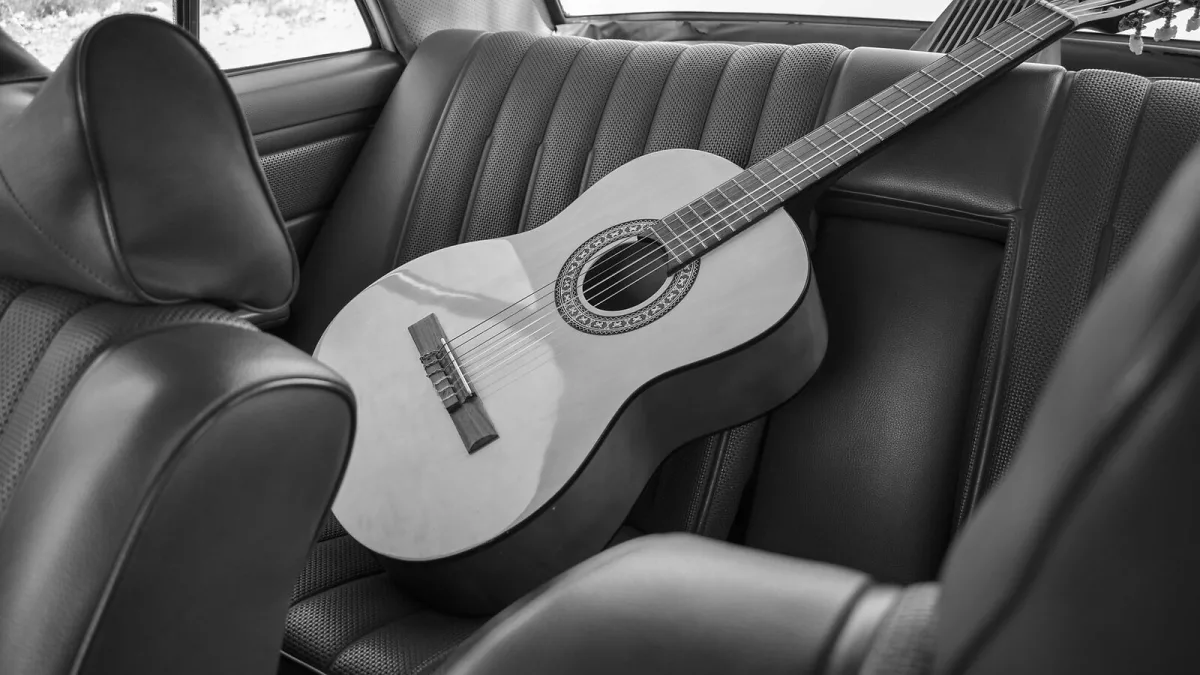
I've seen a fair few of these guitars come through with problems that had nothing to do with build quality and everything to do with how they were bought, stored or set up. Here's the honest rundown of where people go wrong, and how to sidestep every one of them.
Mistake 1: Assuming Every Model Is Built the Same Way
The Epiphone J-200 name covers Studio, EC Studio, all-solid and older EJ-200SCE guitars, and they genuinely differ in wood and electronics. Buying on the strength of "it's a J-200" without checking the exact model is how people end up disappointed with a guitar that was never going to match what they had in mind.
Mistake 2: Ignoring Solid Versus Laminate
Solid wood and select (often laminated) maple back and sides are not interchangeable in how they age, sound or need to be cared for. Know which one you're buying before you commit, not after you notice the guitar isn't developing the tone you expected over time.
Mistake 3: Storing It Without Humidity Control
Solid-top acoustics are genuinely vulnerable to dry air, and a winter spent near a radiator can cause fret ends to poke out or hairline cracks to appear in the top. A simple room humidifier, or even just keeping the guitar in its case away from heat sources, prevents most of this entirely.
Mistake 4: Using the Wrong Case
A standard dreadnought case doesn't fit the Super Jumbo body of an Epiphone J-200 properly, and an ill-fitting case offers nowhere near the protection you're paying for. Budget for a case built for this body shape specifically — it's not an optional extra.
Mistake 5: Buying Used Without Testing the Electronics
If it's an electro-acoustic model, plug it in before you pay. Move every control through its full range, listen for crackling or dropouts, and check the battery compartment for corrosion. Electronics faults are far easier to negotiate on before purchase than to fix afterwards.
Mistake 6: Assuming a Cutaway Is Automatically Louder
A cutaway on the EC Studio changes the body shape for better fret access — it isn't a guaranteed volume or tone upgrade over the non-cutaway version. Choose it because you need the fret access, not because it seems like the more advanced option.
Mistake 7: Going Up in String Gauge Without Thinking It Through
The 25.5-inch scale already brings firmer tension than a shorter-scale acoustic. Jumping to a heavier gauge on top of that, without a technician's input, can make the guitar genuinely harder to play than it needs to be, especially for a newer player.
Mistake 8: Never Trying It Standing Up
A guitar that feels great sitting in a shop chair can feel completely different on a strap, with the wide lower bout shifting your right-arm position. If you'll ever play standing, try it standing before you buy, not after.
Mistake 9: Trusting Old Listings for Current Specifications
Retailer pages sometimes carry discontinued details after a model has changed. If a specification genuinely matters to your decision, check it against current official information rather than an older listing that might not reflect what's actually in the box.
Getting It Right
Avoid these and buying into this range stops being a gamble. Our buyer's guide and full explainer both go deeper into matching the right Epiphone J-200 model to what you actually need.






Comments