


Charvel Guitars article
Charvel Guitars for Beginners: A Complete Guide
Fast, aggressive and surprisingly beginner-friendly — here's why Charvel guitars make a genuinely great first serious instrument.
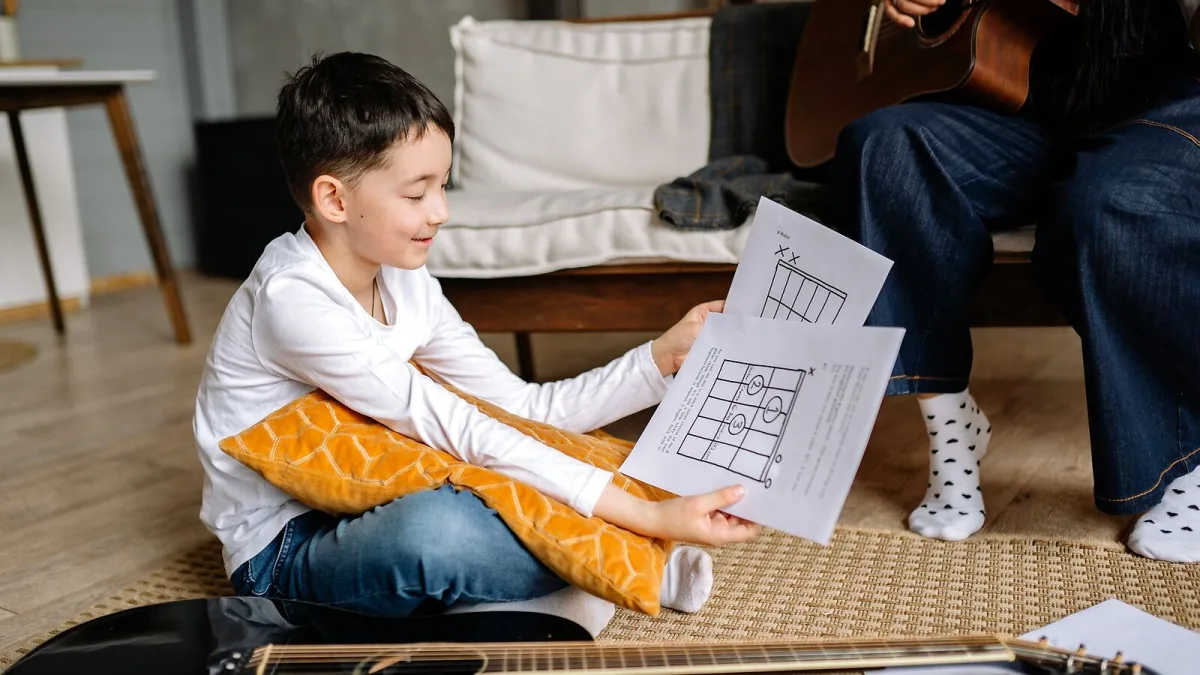
Okay, let's be honest about something upfront: Charvel guitars have a reputation, and it's a reputation built entirely on speed, aggression and players who could shred like their fingers were on fire. If that's slightly intimidating as a starting point, I get it. But here's the thing nobody tells beginners — these guitars are actually brilliant to learn on, for reasons that have nothing to do with how fast you can play yet.
Why a "Fast" Guitar Actually Helps a Beginner
The whole Charvel philosophy is built around necks that are comfortable and quick under the fingers — slim profiles, compound-radius fingerboards, smooth fret edges. That's not just useful once you're shredding solos; it genuinely makes basic technique easier while you're still building calluses and finger strength. A guitar that fights you at the beginner stage is a guitar you're more likely to put down.
Start With a Hardtail, Not a Floyd Rose
Here's my honest advice: as a beginner, skip the Floyd Rose tremolo models for now, however cool the dive-bombs look in videos. Floyd Rose bridges need proper setup knowledge to restring and retune, and that's an unnecessary headache while you're still learning basic chords and picking technique. A hardtail-bridge Charvel gives you the same neck, the same pickups and the same playability, without the extra complexity. You can absolutely graduate to a Floyd Rose model later once you know what you're doing.
You Don't Need to Understand the Whole Range Yet
New players sometimes get overwhelmed trying to research San Dimas versus So-Cal versus Dinky shapes before they've even picked one up. Don't. For a first guitar, a Pro-Mod DK22 or DK24 with an HH or HSS pickup layout and a hardtail bridge covers an enormous amount of musical ground — rock, metal, even cleaner tones if you back off the gain. Our full guide to Charvel guitars is there when you're ready to go deeper, but it's not required reading before you buy your first one.
Learning Riffs and Techniques That Actually Suit the Guitar
Charvel's whole design brief leans into palm-muted riffing, bridge-pickup crunch and lead lines that climb right up the neck — so lean into that as a beginner rather than fighting it. Simple palm-muted power chord patterns sound genuinely great on this kind of guitar early on, and they'll teach you rhythm and picking control that transfers to absolutely everything else you play later.
What Actually Trips Beginners Up
- Underestimating setup. Even a hardtail Charvel benefits hugely from a proper professional setup before you start learning on it.
- Chasing gear over technique. A great guitar won't play itself — put the practice hours in before upgrading anything.
- Ignoring the neck relief. Fast necks still need proper truss-rod adjustment; don't assume "fast" means "maintenance-free."
- Skipping the amp side of things. A Charvel through a weak practice amp won't sound like the recordings that made you want one — budget for both.
Growing Into the Sound
The genuinely exciting part about starting on a brand like this is that you're not going to outgrow it quickly. The same guitar that's forgiving for a beginner is capable of proper high-gain, technical playing once your skills catch up — you're not buying a "starter" instrument you'll immediately want to replace. When you're ready to compare specific models against your budget, our best Charvel guitars for the money guide breaks the current range down properly, and our common mistakes piece is worth reading before you spend anything.
Charvel guitars earned their reputation the hard way, through decades of players pushing them to the limit. As a beginner, you're just starting that same journey a few steps back — and that's genuinely exciting, not intimidating.





Comments