
Squier Bass Guitar article
Squier Bass Guitar for Beginners: A Complete Guide
A Squier bass guitar is one of the best starting points for any new bassist — here is everything you actually need to know, from choosing the right model to getting your first proper setup.
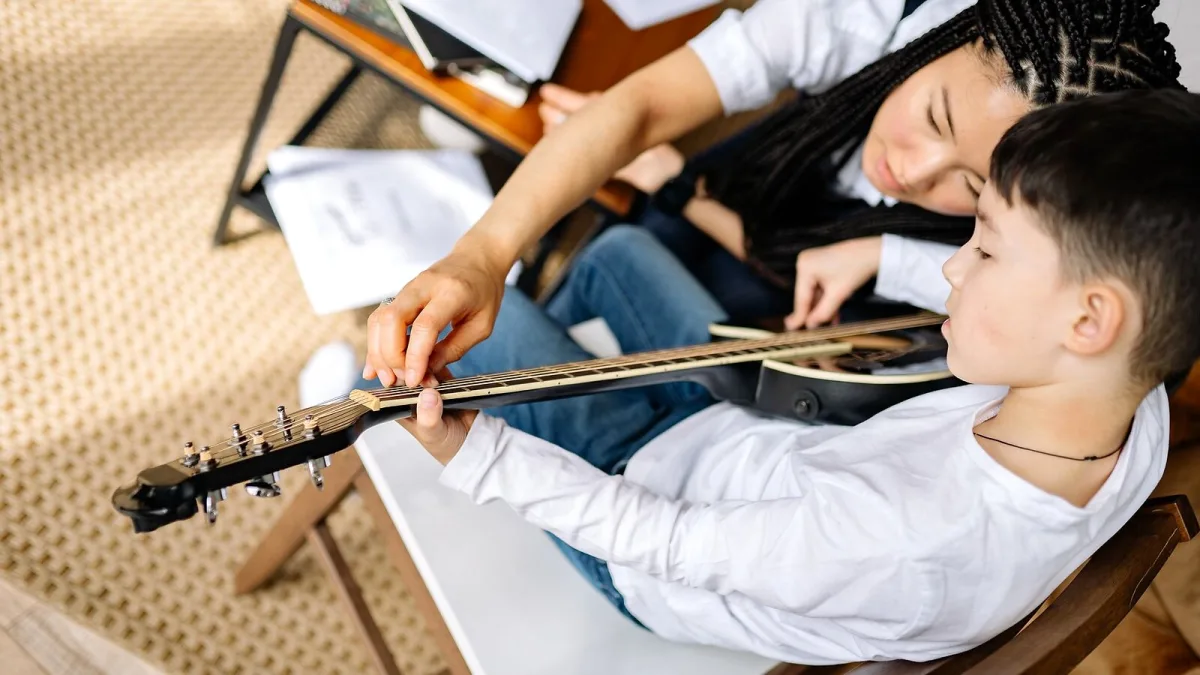
Starting bass guitar does not have to be complicated. You need an instrument that plays reliably, a basic understanding of what the controls do, and somewhere to practise. Squier bass guitars check the first box better than almost anything else at the price — here is a plain-spoken guide to getting started without the faff.
Why a Squier Is a Sensible First Bass
Squier makes affordable versions of Fender's most famous bass designs. That matters for two reasons. First, these designs — particularly the Precision Bass and Jazz Bass — have been the foundation of popular music bass playing for decades. Learning on a Squier means learning on something with a real musical identity. Second, should you progress to a higher-end instrument later, the transition is natural: the shapes, layouts and ergonomics carry over to Fender and many other professional basses.
At the budget end of the market, Squier competes with instruments from Yamaha, Ibanez and others. All are reasonable options. Squier's advantage is the direct connection to those iconic Fender designs — if you already know you want a Precision or Jazz Bass sound, this is the most direct route to it.
Which Squier Bass Is Right for a Beginner?
Squier Affinity Precision Bass
The most straightforward option. One pickup — a split-coil humbucker (a pickup design that cancels electrical hum) positioned in the middle of the body. One volume control, one tone control. Plug in and play. The tone is warm, punchy and forgiving — it works in virtually every style without demanding anything clever from the player. If you are not sure what you want yet, this is probably where to start.
Squier Affinity Jazz Bass
Two pickups, more tonal options. The Jazz Bass neck is typically slightly narrower at the nut — some beginners find it easier to navigate than a Precision. If you like the idea of blending between two pickups to shape your sound, this is a good first step into that kind of control. Bear in mind that single-coil pickups can produce a faint background hum when one pickup is used alone — this is normal and harmless.
Squier Mustang Bass (Short Scale)
If you have smaller hands, find full-size bass guitars physically awkward to reach across, or are coming to bass from playing guitar, the Mustang Bass deserves serious attention. It uses a 30-inch short scale (as opposed to the standard 34-inch long scale), which reduces the physical distance between frets and lowers string tension. It is easier to play, not worse. Plenty of professional players use short-scale basses as their main instrument.
What You Will Need Alongside the Bass
A bass guitar on its own is not quite enough to get started. Here is the practical list:
- An amplifier: Even a small practice amp is far better than nothing. Playing through headphones with a headphone amp works too.
- A cable: A 6.35mm instrument cable to connect bass to amp.
- A tuner: A clip-on tuner or a free tuning app. Bass should be standard tuning: E, A, D, G (lowest to highest).
- A strap: Playing standing up is different from sitting down. A strap with strap locks is a sensible upgrade on any bass with loose strap buttons.
- A setup: This is the big one. See below.
The Setup: Why It Matters More Than the Bass Itself
Budget instruments often arrive from the factory with strings set too high, necks that are not properly adjusted, or nut slots cut too deep or too shallow. The result is a bass that is hard to play, buzzes randomly or will not intonate (stay in tune up the neck). None of these problems mean the bass is broken — they mean it needs a setup.
A professional setup involves adjusting the truss rod (the metal rod inside the neck that controls its curve), the bridge saddle heights, the nut-slot depth and the intonation. It costs relatively little and makes a dramatic difference to how a bass feels and plays. If you are buying your first bass, budget for a setup alongside it — or ask the shop to set it up before you take it home.
The Basics: Strings, Notes and Your First Week
Bass guitar is tuned E–A–D–G, from the thickest string to the thinnest. The thickest string (E) is closest to the floor when the bass is held in playing position. Start with these fundamentals:
- Get the bass in tune every time you pick it up. Tuning is not optional — it shapes your ear as you play.
- Learn where the notes are on the E and A strings. Most bass playing happens on those two strings, at least early on.
- Practise with a metronome or drum track. Rhythm is the most important skill for a bassist — more important than speed or technique at this stage.
- Keep your fretting hand relaxed. Tension in the hand is the most common beginner error. The string only needs to be pressed firmly enough to produce a clean note — not gripped for dear life.
- Listen to bass in music you already know. Pull out the bass lines from songs you enjoy. That is the most motivating way to build the ear-to-finger connection.
Common First Bass Mistakes (Brief Version)
A few pitfalls that trip up most beginners:
- Buying a bass without playing it or checking the setup first.
- Ignoring the tuner and wondering why nothing sounds right.
- Practising too fast before the notes are clean at slow speed.
- Spending money on effects pedals before the fundamental tone is sorted.
- Assuming that buzzing strings always mean you are playing badly. Sometimes it is just the setup.
For the full breakdown of what to avoid, the guide to common Squier bass mistakes is worth reading alongside this one. If you want to know how the models compare in terms of value and which ones are worth paying more for, the best Squier basses for the money has that covered.
The Bottom Line
Starting bass guitar on a Squier is a sensible choice. Pick the body shape that appeals — Precision for simplicity and punch, Jazz for flexibility, Mustang if reach is a concern — get it properly set up, grab a basic amp and a tuner, and focus on rhythm from the start. The instrument will not hold you back. Most players who stick with it look back on their first Squier with genuine affection.





Comments