


Harley Benton Bass Guitar article
Harley Benton Bass Guitar for Beginners: A Complete Guide
The talk I wish someone had given me before my first bass arrived — gentle, honest, and without pretending there's nothing to learn.
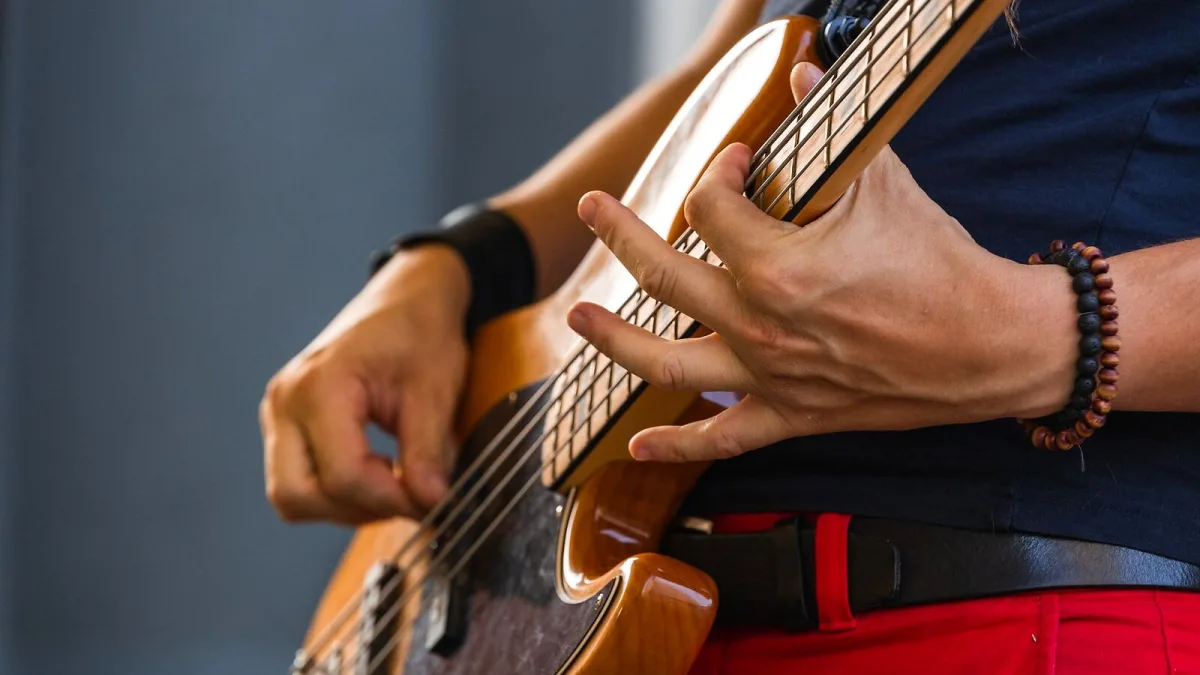
I remember the exact feeling of opening my first proper instrument box — that mix of excitement and mild panic that you might somehow do it wrong. If you're about to unbox your first Harley Benton bass, let me talk you through it the way I wish someone had talked me through mine: gently, honestly, and without pretending there's nothing to learn.
Why This Makes Sense as a First Bass
Nobody needs to spend a fortune to find out whether the bass is really their instrument, and that's exactly the gap this brand fills. It's the house brand of Thomann, the big German retailer, sold directly without the usual dealer markup, which is a big part of why you get a surprising amount of instrument for relatively little money. You're not buying a toy. You're buying a real, playable bass that happens to be priced for someone just starting out.
What Your Harley Benton Actually Is
Most beginners end up with a standard Harley Benton four-string, either a P-style (punchy, simple, forgiving) or a J-style (a bit brighter, a bit more flexible). Either is a genuinely good choice, and neither will hold you back while you're learning. Independent reviewers have been pleasantly surprised by the build quality at this price point more than once — one review even called it "miles ahead of any other new instrument" in its price bracket. That doesn't mean every single unit is flawless, but it does mean you're not settling for something second-rate just because it's affordable.
Setting Your Harley Benton Up When It Arrives
Here's the bit that catches a lot of first-timers out: a brand-new bass, at any price, almost always benefits from a little attention before that first proper play. Nothing scary, I promise. Here's the order I'd do it in:
- Unbox it carefully and check for any obvious shipping damage to the finish or neck.
- Let it acclimatise to room temperature for a couple of hours if it's travelled somewhere cold.
- Tune it up to pitch, gently, using a clip-on tuner or a tuning app.
- Play a few open strings and fretted notes across the neck, listening for any obvious buzzing.
- If anything feels off, or you're not confident checking it yourself, take it to a local tech for a basic setup — it's a small cost that makes a genuinely big difference.
Do that, and you'll know within an evening whether you've got a good one straight out of the box or one that just needs a little TLC first.
Finding a Good Local Tech, If You Need One
If your first setup check throws up anything you're not sure about, ask at a local music shop for a recommendation rather than the first name that comes up in a search — a tech who regularly works on budget instruments will know exactly what to expect from a bass at this price and won't make you feel silly for asking. It's a genuinely small cost against the difference it makes, and it's worth doing once even if everything already feels fine, just so you know what "properly set up" is supposed to feel like.
Your First Few Weeks
Go gently on yourself. Your fingers will need time to build calluses, and that's completely normal, not a sign you're doing anything wrong. Short, regular practice beats long, painful sessions every time. And don't feel you need to understand every specification of your instrument before you're "allowed" to enjoy playing it — that comes later, almost by accident, once you've spent enough hours with it in your hands.
Common Beginner Worries
"What if I bought the wrong Harley Benton?" You almost certainly haven't — a standard four-string is genuinely hard to go wrong with as a starting point. "What if it needs fixing and I don't know how?" That's exactly what a local guitar tech is for, and a basic setup is inexpensive. "Am I too old, too uncoordinated, too whatever, to start?" No. Every bass player who's any good started exactly where you are now, fumbling through the first few weeks.
Where to Go From Here
Once you're settled in, it's worth reading our fuller overview guide to understand the wider range, and our buyer's guide if you're thinking about a second instrument down the line. And before you make any big decisions, our list of common mistakes to avoid is a genuinely useful, quick read.
The Encouraging Bit
You don't need the perfect instrument to start — you need one that's good enough to get out of your way while you learn, and a Harley Benton is exactly that. Give yourself permission to be a beginner for a while. Everyone who plays bass well was once exactly where you are, holding a new instrument and hoping they weren't about to embarrass themselves.






Comments