Skip to content

Guitar Bass Effect article

Everything You Need to Know About Guitar Bass Effect
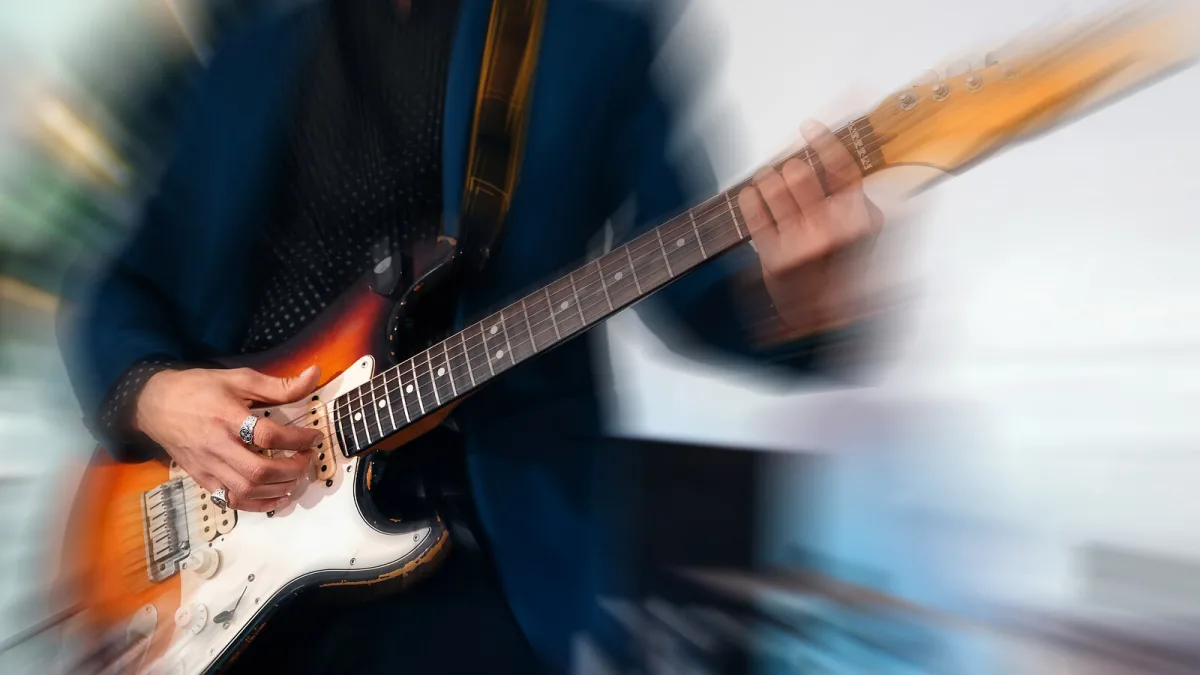
Everything You Need to Know About Guitar Bass Effect

A guitar bass effect unit — whether a pedal, rack processor or built-in amplifier channel — is any audio processing device designed to modify the tone, character or dynamics of a bass signal. The range of available effects for bass guitar is broad, and understanding what each type does helps you make informed decisions about which to use and when.

Why Bass Effects Are Different

Effects designed for bass operate over a lower frequency range from guitar pedals. The low-frequency content of the bass is central to the instrument's role in most music, and effects that work well on guitar — overdrive pedals with significant treble coloration, modulation with prominent high-frequency content, certain reverbs — can thin or obscure the bass's fundamental frequencies when applied directly. Quality bass-specific units preserve the low end while applying the intended processing. Some guitar pedals work well on bass, but many need careful evaluation in that context. The blend control — a wet/dry mix that allows the processed signal to be mixed with the original clean bass — is common in bass-optimised units for exactly this reason.

The Core Effect Types

Overdrive and distortion pedals for bass are the most widely used category, from subtle drive for warmth and presence to full saturation for metal and grunge. The clean blend is essential on most overdrive units to preserve the low fundamental. Compression is standard in professional bass rigs — it controls dynamics and adds sustain without significantly colouring the tone. Octave pedals add a signal one or two octaves below the input, thickening the sound considerably. Envelope filters (auto-wah) respond dynamically to the attack of the playing and are central to funk and slap sounds. Chorus, flanger and phaser add width and movement. For a purchasing decision, see the buyer's guide. The beginner's guide covers the first pedal choices.

Multi-Effects and Individual Pedals

Choosing between a multi-effects processor and individual pedals is often the central decision when building a guitar bass effect rig. Multi-effects processors provide a wide range of effect types in a single unit, which is practical and cost-effective for players who want access to many sounds without the cost and pedalboard space of individual pedals. The compromise is that multi-effects units typically do not match the quality of well-regarded individual pedals in each category. Players who use effects extensively tend to move toward individual pedals as they identify the specific sounds they rely on, while multi-effects units remain useful for on-stage versatility where flexibility matters more than peak performance in each individual effect type.


Frequently Asked Questions

What is a guitar bass effect?

It is any audio processing unit — pedal, rack unit or built-in amplifier channel — that modifies the tone, character or dynamics of a bass signal. The category covers everything from compression and overdrive to envelope filters, octave pedals and modulation. Units designed for bass preserve the instrument's low-frequency content while applying the intended processing.

Can I use guitar effects pedals on bass?

Many guitar pedals work adequately on bass, but some — particularly overdrives and fuzzes designed without a clean blend — thin the low-frequency content significantly. A bass-specific unit typically includes a blend control that mixes processed signal with the clean bass signal, preserving the low end. Some guitar pedals work well on bass without modification; others need evaluation before use on stage or in the studio.

What is a clean blend control?

A clean blend control — also called a parallel blend or wet/dry mix — allows you to mix the processed signal with the original unprocessed bass signal. It is particularly important for overdrive, distortion and fuzz pedals on bass, as these effects can significantly reduce the low-frequency content. By blending in clean bass underneath the distorted signal, you retain the fundamental low-end while adding the character of the effect.

Do I need bass-specific effects?

For some effect types — overdrive, compression, envelope filter — bass-specific designs tend to perform better because they are voiced for the instrument's frequency range. For others — delay, reverb, chorus — many guitar pedals work equally well on bass. The practical approach is to test any pedal on bass before purchasing and pay particular attention to whether the low-frequency content is preserved.

What is the most useful effect for beginners?

Compression is the most universally useful starting point for bass players. It controls dynamics, evens out the difference between softly and loudly played notes, and adds sustain. An overdrive or drive pedal comes second — it adds warmth and character without requiring complex signal chain considerations. Both are affordable, easy to use and immediately improve the consistency of the bass sound in a mix or on stage.

How many effects do most bass players use?

Most bass players in most musical contexts use one to three effects. Compression is often always on. Overdrive is used on specific sections. A filter or octave pedal may be used for particular sounds. More effects add complexity and potential for signal degradation or technical problems on stage. The most effective rigs tend to be simple and reliable rather than extensive.

About Charlotte Bennett

Charlotte grew up in a house where the record player was never off, and turned a teenage habit of scribbling gig reviews into a career spent writing about the music she loves. Based in London, she still spends her weekends digging through the crates in the city's second-hand shops and catching new bands in small rooms before anyone else has heard of them. She writes about guitars, records and the stories behind the songs.

Comments

Leave a comment

Comments are read before they appear. Links cannot be published.

Your rating (optional)