


Cabinet Records article
Cabinet Records for Beginners: A Complete Guide
Feeling out of your depth with all the technical talk? Let's take owning a cabinet record player slowly, term by term.
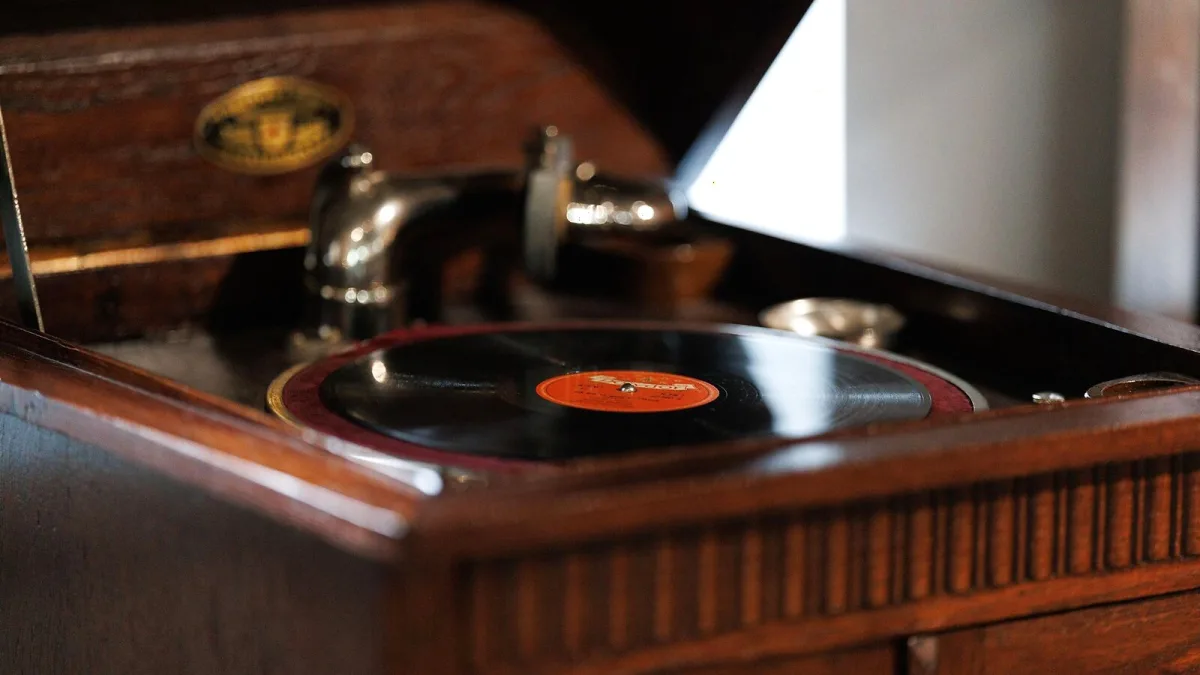
Drawn to the idea of owning a cabinet record player but feeling a bit out of your depth with all the technical talk? That's completely normal, and entirely fixable. Let's take it slowly, term by term, so none of it feels like a foreign language by the time you're done.
What You're Actually Looking At
Strip away the fancy names and a cabinet record player is simply a music system built into a piece of furniture: a turntable or record changer, an amplifier, and speakers, often with a radio built in too. In Britain this is usually called a radiogram. That's genuinely all it is — the complexity comes later, once you start looking at the specific mechanism and electronics inside a particular unit.
Vintage or Modern: The First Choice, Made Simple
You have two honest options as a beginner, and neither is the "wrong" choice:
- A modern retro-styled cabinet from a brand like Crosley or Victrola. New, no restoration needed, plug in and play, often with Bluetooth. A gentle, low-risk way to dip a toe in.
- A genuine vintage radiogram or console, properly serviced by someone who knows what they're doing. More character and history, but you'll want a knowledgeable seller or restorer involved rather than going it alone from day one.
There's no shame at all in starting with the modern option. Plenty of people fall in love with the format there before working up to a vintage piece later.
A Few Words You'll Keep Seeing, Explained Gently
- Cartridge — the small component on the tonearm that actually reads the record groove and turns it into an electrical signal.
- Stylus — the tiny needle on the end of the cartridge. This is the part that wears out and needs replacing.
- Valve amplifier — an older style of amplifier using glass valves, prized for its warm sound but needing more careful, specialist handling.
- Transistor amplifier — the more modern alternative, generally simpler to live with day to day.
- Idler-drive and belt-drive — two different ways the motor spins the turntable. Neither is inherently "better"; they're just different mechanisms with different quirks.
You don't need to memorise all of this before you buy anything. It's here so the words stop feeling mysterious the first time someone uses them near you.
The One Rule That Actually Matters Early On
If you do go down the vintage route, please don't just plug an old unit in and hope for the best. Old electrics can be genuinely unsafe, and a wooden cabinet doesn't make what's inside it safe by default. Have a vintage unit properly checked before you use it regularly. This isn't scaremongering — it's simply the one piece of advice worth taking seriously from the very start.
Starting Gently With a Modern Retro Cabinet
If you've chosen the modern route, there's genuinely very little to worry about. Unbox it, connect it as the instructions describe, and enjoy it. The main thing to know is that most affordable units use a ceramic cartridge rather than a more advanced magnetic one — this is completely normal at this price point and nothing to feel short-changed about.
A Little Bit of History, for Context
It helps to know roughly where these things came from, even as a beginner. They were at their most popular through the 1950s and '60s, when a whole family might gather around one large cabinet for both the radio and the record collection. British brands like Bush, HMV, Ferguson and Philips were common names, alongside smaller, more affordable players like Dansette that made record listening accessible to teenagers for the first time. Knowing this context makes the hobby feel a lot less like a technical minefield and a lot more like a genuinely interesting slice of everyday design history.
You Don't Need to Become an Expert Overnight
Give yourself permission to enjoy this hobby at whatever pace suits you. Some people are happy simply playing records on a lovely-looking cabinet for years without ever learning the difference between a ceramic and a magnetic cartridge, and that's a completely valid way to enjoy the format.
When you're ready to go further, our explainer covers the different types in more depth, our buyer's guide is there for when you're ready to actually purchase one, and common mistakes to avoid is well worth a read before you do.
The Bottom Line
A cabinet record player doesn't need to feel intimidating. Choose vintage or modern honestly, learn the handful of terms above at your own pace, and take mains safety seriously if you go vintage. Everything else can wait.





Comments