


Bass Strings roundup
The Best Bass Strings for the Money
No fake test scores here — an honest, style-by-style breakdown of where bass strings actually earn their price tag.
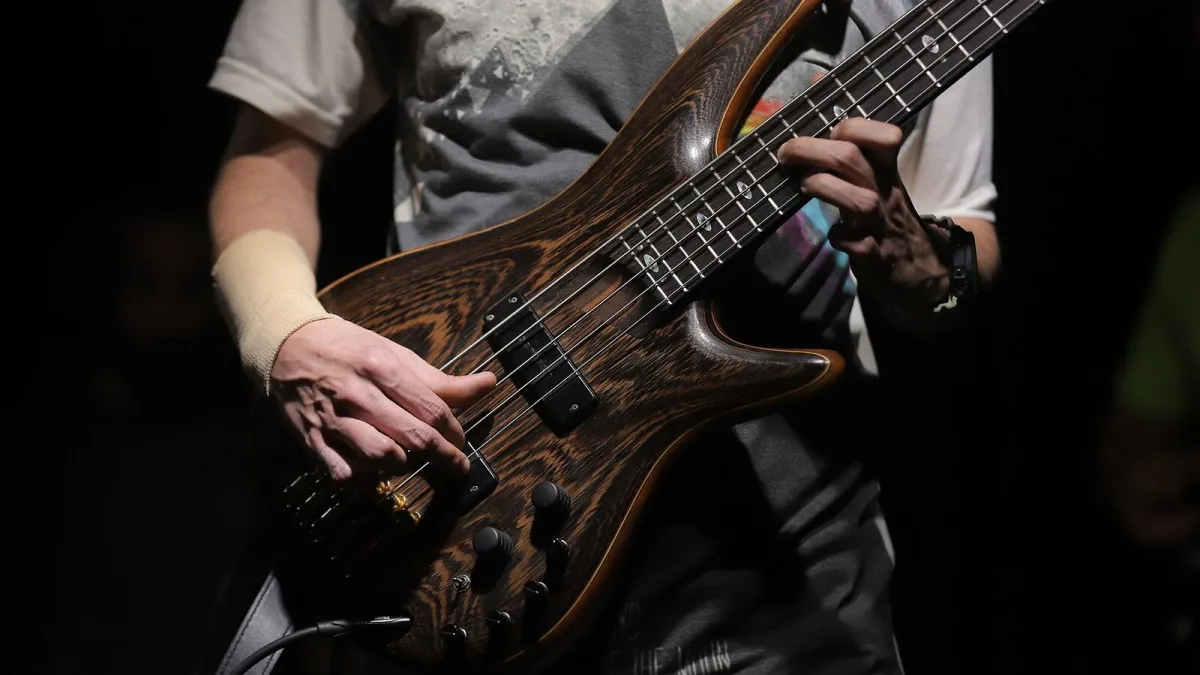
Right, no fake test scores, no invented "we tried forty sets in a blind test" nonsense — just an honest breakdown of where the value genuinely sits, style by style. Bass strings aren't a one-size-fits-all purchase, and the "best" set for a slap player chasing pop and snap is a completely different animal from the best set for someone laying down a filthy, downtuned metal groove. Let's get into it.
Best Bass Strings for Slap and Funk: Bright Stainless Roundwounds
If you're a slap player, you want maximum brightness, attack and sustain — that's stainless steel roundwound territory. The round wrap wire gives you the harmonic detail and snap slap demands, while stainless steel pushes the top end even further than nickel-plated steel would. Yes, it can feel a touch rougher under the thumb, but for funk and slap tone, that trade-off is worth it every time.
Best for Metal and Drop Tuning: Heavier Gauge Nickel or Stainless
Downtuned riffs need string tension to back them up, or you're fighting flappy, floppy strings that won't stay in pitch. A heavier-gauge set — nickel-plated steel for a bit more warmth under high-gain distortion, or stainless for maximum cut through a wall of guitars — gives the low end the backbone it needs. If you're tuning down significantly, don't just drop pitch on your usual gauge; step up in thickness to keep the tension where it needs to be, and expect to book a setup afterwards.
Best for Jazz, Soul and Motown Tones: Flatwounds
This is non-negotiable if you're chasing that classic warm, rounded, almost vocal low end — flatwound strings, every time. The flat ribbon wire kills the finger noise and harmonic edge that roundwounds bring, replacing it with a smooth, fundamental-heavy voice that's been the backbone of jazz and soul bass tone since the instrument's early days. Don't try to fake this sound with EQ on a roundwound set; the string type itself is doing most of the work.
Best for Fretless: Half-Rounds or Tapewounds
Fretless players generally want less abrasion on the fingerboard than full roundwounds cause, plus a smoother, more vocal tone. Half-round (or groundwound) strings are a great middle ground — smoother than a full roundwound but still with reasonable brightness. If you're chasing something closer to an upright, dark and woody character, tapewounds — with their nylon covering — go even further in that direction, and they're famously gentle on a fretless board.
Best All-Rounder: Nickel-Plated Steel Roundwound, Medium Gauge
If I had to hand one set to a player who plays across genres and wants a single go-to, it's a nickel-plated steel roundwound in a medium gauge — typically something like .045/.065/.085/.105 for a standard four-string. It's bright enough for rock and pop, controllable enough for a mellower tone with the tone knob rolled back, and it's the easiest thing to find restocked in any shop when you need it in a hurry.
Best for Longevity: Coated Strings
Gigging every week and sick of restringing constantly? Coated bass strings, from brands building specifically around that polymer coating technology, hold their tone noticeably longer than an uncoated set by slowing the sweat and grime that dulls a string over time. You'll pay more per set upfront, but if you're comparing cost per gig rather than cost per packet, coated strings often work out sensible.
A Word on Brands Worth Knowing
You don't need to chase a specific brand to get a great result, but a few names come up again and again for good reason. Rotosound has deep roots in British rock roundwounds. D'Addario and Ernie Ball both run broad ranges across roundwound, flatwound and coated constructions, so you can stay loyal to one brand across very different tones. DR Strings and La Bella are worth knowing too — La Bella in particular if flatwounds or tapewounds are your thing. None of this replaces trying a set yourself, but it's a sensible shortlist if you're standing in a shop with no idea where to start.
Quick Reference by Style
| Style | Best type | Why |
|---|---|---|
| Slap / funk | Stainless roundwound | Maximum brightness and attack |
| Metal / drop tuning | Heavier gauge roundwound | Tension and clarity under distortion |
| Jazz / soul / Motown | Flatwound | Warm, smooth, fundamental-heavy tone |
| Fretless | Half-round or tapewound | Gentler on the board, smoother voice |
| Everything / gigging generalist | Nickel-plated steel roundwound, medium | Balanced, reliable, easy to find |
| Frequent gigging, less restringing | Coated roundwound or flatwound | Longer tonal lifespan |
My Honest Take
Don't buy strings based on what your favourite bassist uses without checking whether their genre actually matches yours — a set built for slap brilliance will feel and sound wrong laid under a jazz walking line, and vice versa. If you're still working out which winding type and material actually match what you play, our bass strings buyer's guide breaks the whole decision down properly, and our bass strings explainer covers how they're actually built if you want the full picture. New to bass altogether? Start with our beginner's guide instead — genre-specific choices can wait until the basics feel natural.






Comments