


Making a Bass Guitar roundup
Making a Bass Guitar: A Complete Buyer's Guide
Wood, hardware, electronics, tools — building a bass guitar is a stack of decisions, not one purchase. Here's the checklist before you buy anything.
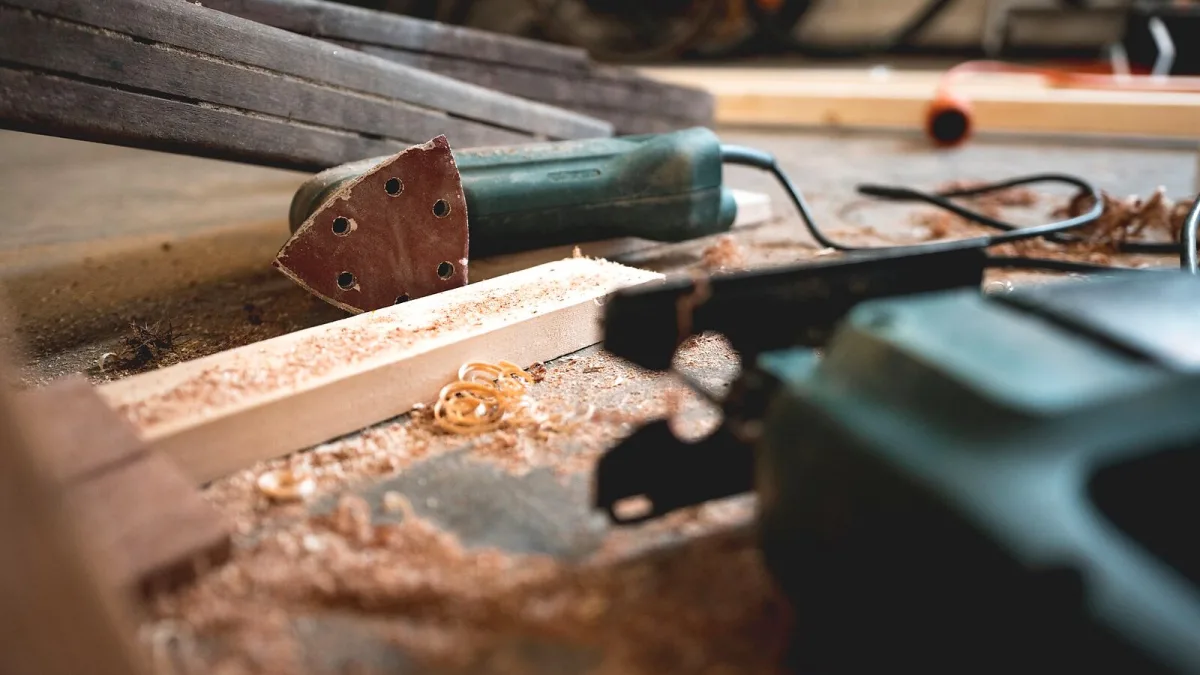
Right, before you go anywhere near a router, let's talk about what actually needs to land on your workbench. Building a bass guitar — your own, from the ground up — isn't one purchase, it's a stack of smaller decisions — wood, hardware, electronics, tools — and getting each one right up front saves you a world of frustration halfway through.
Decide your bass guitar route before you buy a single thing
This is the fork that decides your whole shopping list:
- A kit — pre-routed body and neck, ready for finishing, hardware and wiring. Fastest route in, fewer tools needed, most forgiving for a first build.
- Parts-assembly — buying a finished or unfinished body and neck separately, then handling hardware and electronics yourself. More control, still manageable tooling.
- Full scratch build — starting from raw wood blanks and doing every cut yourself. Maximum control and maximum learning curve, and genuinely the most tool-intensive route.
The core bass guitar design decisions to lock in first
| Decision | What to think about |
|---|---|
| Number of strings | Four is standard; five or six extend range but change neck width and string spacing |
| Scale length | Roughly 30" short, 32" medium, 34" standard — affects tension and feel, not just reach |
| Neck construction | Bolt-on is the most repairable and beginner-friendly; set-neck and neck-through need more skill and different tooling |
| Body type | Solid resists feedback and suits high volume; semi-hollow or hollow add resonance but can feed back more easily |
| Pickup type | Single-coil for clarity and attack; split-coil or humbucking for a thicker, quieter output |
| Active or passive electronics | Passive is simpler and needs no battery; active adds onboard EQ and higher output at the cost of complexity |
| Fretted or fretless | Fretted is easier to play in tune; fretless demands more accuracy but offers slides and vibrato |
Bass guitar hardware you'll actually need to source
- Bridge — check whether it's string-through-body or top-loading, and confirm it matches your chosen scale length reference.
- Tuners — matched to your headstock's tuner-hole spacing and string count.
- Pickups — matched to your chosen pickup routing and wiring plan.
- Pots, switches and output jack — check values against the pickup manufacturer's recommended wiring diagram before buying.
- Nut — sized to your neck width and string spacing.
- Strap buttons, pickguard or cavity covers — small, easy to forget, genuinely annoying to realise you're missing mid-build.
Tools worth having before you start your bass guitar build
Even a kit build benefits from a decent toolkit: a soldering iron and multimeter for the electronics, screwdrivers and Allen keys matched to your hardware, sandpaper at a range of grits for finishing, a truss-rod tool matched to your neck, and files for nut slots and fret ends if you're doing any fretwork. A full scratch build adds routers, templates, clamps and wood-conditioning supplies to that list — a genuinely bigger investment, both in cost and in the skill needed to use them safely.
Don't skip: shielding and grounding supplies
Conductive paint or copper foil for shielding the pickup and control cavities is cheap, easy to forget, and genuinely worth buying upfront rather than as an afterthought once you're hearing hum through your amp. It won't eliminate every source of noise — especially with single-coil pickups — but it makes a real, audible difference.
Budgeting sensibly for your bass guitar build
A kit build is comfortably the cheapest way in, since most of the expensive routing and shaping work is already done. Parts-assembly sits in the middle — you're paying for pre-made components but skipping the tooling investment of a scratch build. A full scratch build can actually cost more than buying a finished instrument once you factor in tools, wasted material from early mistakes and the time invested — the reward there is skill and satisfaction, not necessarily a cheaper bass. Our round-up of build routes by budget goes into that comparison properly.
Before you finalise your order
- Confirm your bridge, nut and tuners actually match your chosen scale length and string count.
- Check pickup routing dimensions against your body template or kit before buying pickups.
- Buy slightly more finish and sandpaper than you think you'll need — running out mid-coat is a genuine headache.
- Have your wiring diagram sourced and understood before you buy pots and switches, not after.
If all of this feels like a lot at once, our beginner's guide strips the decision list right down to the essentials for a first build.
The bottom line on kitting out your bass guitar build
Get your route decided and your core design choices locked in before you buy anything, then work through hardware, tools and finishing supplies systematically rather than piecemeal. It goes far more smoothly when the shopping list is sorted before the sawdust starts flying — and it's worth reading through the common mistakes people make so your budget doesn't take an avoidable hit.





Comments