


Evh Bass Guitar article
Common Evh Bass Guitar Mistakes to Avoid
There isn't a standard EVH bass guitar to buy — and that one fact is behind almost every mistake people make chasing one.
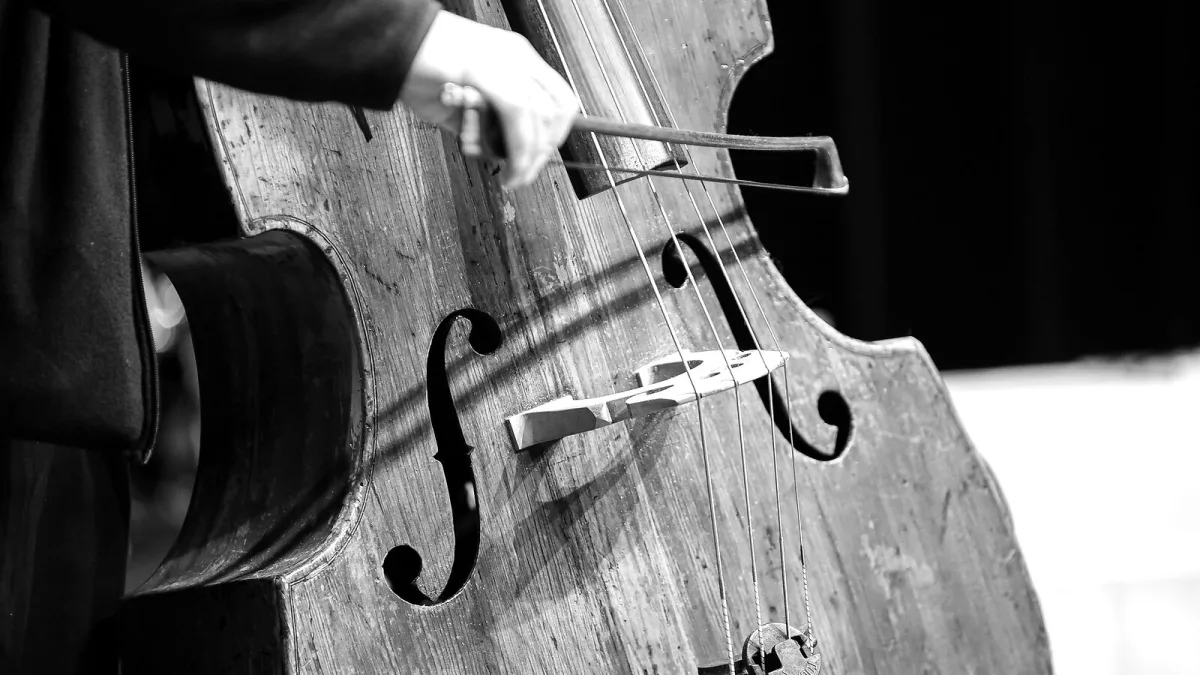
Here's the thing nobody tells you upfront when you go looking for an EVH bass guitar: there isn't a standard one to buy. That single fact is behind nearly every mistake people make when they go hunting for one, so let's get it straight before you spend any money.
Mistake One: Assuming It's a Catalogued Product
EVH's official range is built around Eddie Van Halen's guitar designs — Wolfgang, Striped Series, 5150 — and doesn't currently include a standard retail bass line. What exists instead are custom striped basses built for Wolfgang Van Halen and at least one documented prototype, not a model you can order from a dealer. Going in expecting a normal buying process, with a spec sheet and a price list, is the root mistake everything else grows from.
Mistake Two: Trusting a Listing With No Proof Behind It
Because genuine examples are so rare, any listing describing an instrument as an "EVH bass," "Wolfgang bass" or "Eddie Van Halen bass" deserves real scepticism rather than excitement. Ask for serial numbers, clear photographs, and documentation showing an actual connection to Wolfgang, Van Halen or Mammoth WVH. A confident description in a listing is not the same thing as evidence.
| Mistake | Why it bites | Better approach |
|---|---|---|
| Assuming a catalogued model exists | Chasing a product that isn't for sale | Understand it's custom/prototype territory only |
| Trusting an unverified listing | Overpaying for an unproven claim | Demand serial numbers and documentation |
| Borrowing guitar specs for the bass | Wrong expectations on feel and tone | Treat bass specifications as unconfirmed |
| Confusing a replica with the real thing | Paying custom-shop money for a copy | Get professional authentication first |
Mistake Three: Assuming Guitar Specs Carry Over to the Bass
The Wolfgang guitar's well-documented specifications — its 25.5-inch scale, basswood body, maple neck and Floyd Rose system — belong to the guitar range. None of that has been confirmed to apply to any EVH-related bass. If you see a seller quoting precise bass specifications with total confidence, that confidence isn't backed by any public factory documentation, so treat the numbers as unverified rather than gospel.
Mistake Four: Not Distinguishing a Replica From an Authentic Instrument
There's a real difference between an authentic EVH or Wolfgang custom bass, a faithful replica, a modified production bass, and a guitar or bass simply painted in EVH-style stripes. All four might get described loosely as "an EVH bass" in casual conversation, but they sit at wildly different price points and levels of authenticity. Work out honestly which category you're actually looking at before you decide what it's worth to you.
Mistake Five: Skipping Authentication on an Expensive Purchase
Given how few genuine examples exist — bassist Tim Tournier described his own prototype as one of only two on the planet — any expensive purchase claiming real provenance deserves professional authentication before money changes hands. This isn't being difficult; it's proportionate caution for an instrument in a category with essentially no standardised paper trail.
Mistake Six: Expecting a Signature "EVH Bass Tone"
Unlike Eddie's unmistakable guitar tone, there's no widely recognised standard EVH bass sound to chase, simply because there's no standard instrument behind it. Tone on any of these basses comes down to ordinary factors — pickup voicing, active versus passive electronics, string choice and amplification — rather than one signature formula you can buy your way into.
Mistake Seven: Taking Forum Chatter as Fact
Search around long enough and you'll find confident forum posts and social-media threads laying out exact specifications, production numbers or pricing for "the EVH bass." Treat this the same way you'd treat any uncredited rumour: interesting, maybe even partly right, but not something to base a purchase decision on. If a claim about an EVH bass guitar doesn't trace back to an official EVH source, a credible music publication, or a firsthand account from someone directly involved, hold it loosely rather than repeating it as settled fact.
Shop With Your Eyes Open
None of this means the story isn't worth knowing — it genuinely is, and our complete guide to the EVH bass guitar story covers Eddie's own bass history, Wolfgang's striped instruments, and the Mammoth WVH connection in full. Just go in knowing there's no shop shelf waiting for you, and treat any listing claiming otherwise with the scepticism it's earned.





Comments