


Pedal Board article
Common Pedal Board Mistakes to Avoid
The same handful of pedal board problems come through the shop door every time. Here's what actually goes wrong, and the straightforward fix.
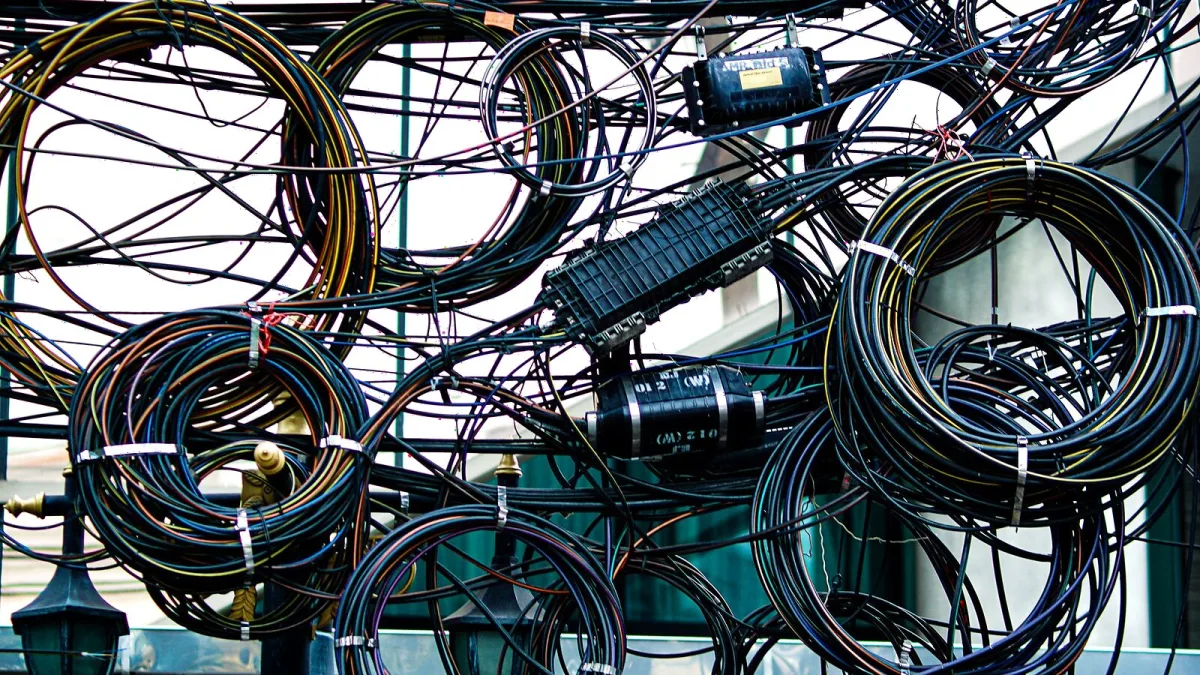
I've seen the same handful of pedal board problems come through the shop door for years. None of them are exotic — they're ordinary decisions that seemed fine at the time. Here's what actually goes wrong with a pedal board, and the straightforward fix for each.
Mistake 1: Mounting Before Testing
The single most common one. Someone sticks every pedal down with hook-and-loop fastener, wires it all up, switches it on — and hears a hum they now have to troubleshoot through a fully mounted board. Test everything loose first: power it up, add pedals one at a time, listen for problems, and only mount once you know the whole chain is clean.
Mistake 2: Guessing at Power Instead of Checking It
Not every pedal runs on 9V DC centre-negative, and assuming they all do is how pedals get damaged. Worse, a power supply that can't deliver enough current to every pedal at once causes malfunctions that look exactly like a faulty unit, sending people on a wild goose chase for a problem that's actually sitting in the power brick. Check voltage, polarity and current draw against the manual for every single pedal before wiring anything.
Mistake 3: Daisy-Chaining Digital Pedals
A daisy chain is fine for a few compatible, low-current analogue pedals. It's a poor match for digital pedals, which are more sensitive to shared power and more likely to introduce noise or crosstalk when they share a supply with everything else. Mixing analogue and digital on one board is exactly when an isolated supply earns its cost.
Mistake 4: Blocking Your Own Pedal Board Sockets
Mounting pedals so close together that you can't reach an input, output or power socket without unsticking something is a self-inflicted headache. Leave real clearance around every connector when you're planning the layout — it costs you a bit of board space now and saves an afternoon of frustration later when a cable needs replacing mid-tour.
Mistake 5: Ignoring Pedal Order, Then Blaming the Gear
Wah after fuzz sounds different from fuzz after wah. A modulation pedal before distortion behaves differently from one placed after it. When a combination sounds wrong, the instinct is often to blame a pedal or the amp, when the actual fix is simply moving something a few inches along the board. Before assuming a pedal's faulty, try it in a different position in the chain.
Mistake 6: Overloading Cheap Patch Cables
Long, unbuffered runs through several cheap patch cables can genuinely weaken your signal before it even reaches the amp, especially through a chain of true-bypass pedals. If your tone feels thinner or duller than it should, worn or overly long patch cables — not the pedals themselves — are a common, overlooked culprit.
Mistake 7: Forgetting Your Amp's Effects Loop Exists
Running delay and reverb through the front of the amp works, but running them through an effects loop, where the amp has one, often sounds cleaner — those effects act on an already-shaped signal instead of getting pushed back through more gain. It's an easy option to forget entirely if you built your habits on a simple amp without one.
Mistake 8: Skipping the Systematic Troubleshooting Step
When something does go wrong, swapping pedals randomly rarely finds the cause quickly. Remove everything from the pedal board and reconnect one pedal at a time, checking for hum or crackle at each step. It's slower than guessing, but it actually finds the fault instead of you replacing the wrong thing.
Mistake 9: Buying a Bigger Board Than You'll Fill
Sizing up "to be safe" seems sensible until you're staring at a half-empty pedal board with awkwardly long cable runs between the few pedals you actually own. Longer, unnecessary cable runs invite more noise, not less. Buy for what you have plus a genuine near-term addition, not for an imagined future rig.
Bottom Line
Test before you mount, check power properly, and don't blame a pedal before you've tried it somewhere else in the chain. If you're buying new, our complete buyer's guide covers what to check before you spend anything, and our guide to how pedal boards work explains the signal chain and power basics in full. First board? See our beginner's guide, and our pick of the best options for the money is worth a look once you know what you're avoiding.






Comments