


Modelling Amp article
The Ultimate Guide to Modelling Amps
Modelling amps simulate the behaviour of classic valve amplifiers using DSP technology. This guide covers the full picture — from how they work to which platforms are worth your time.
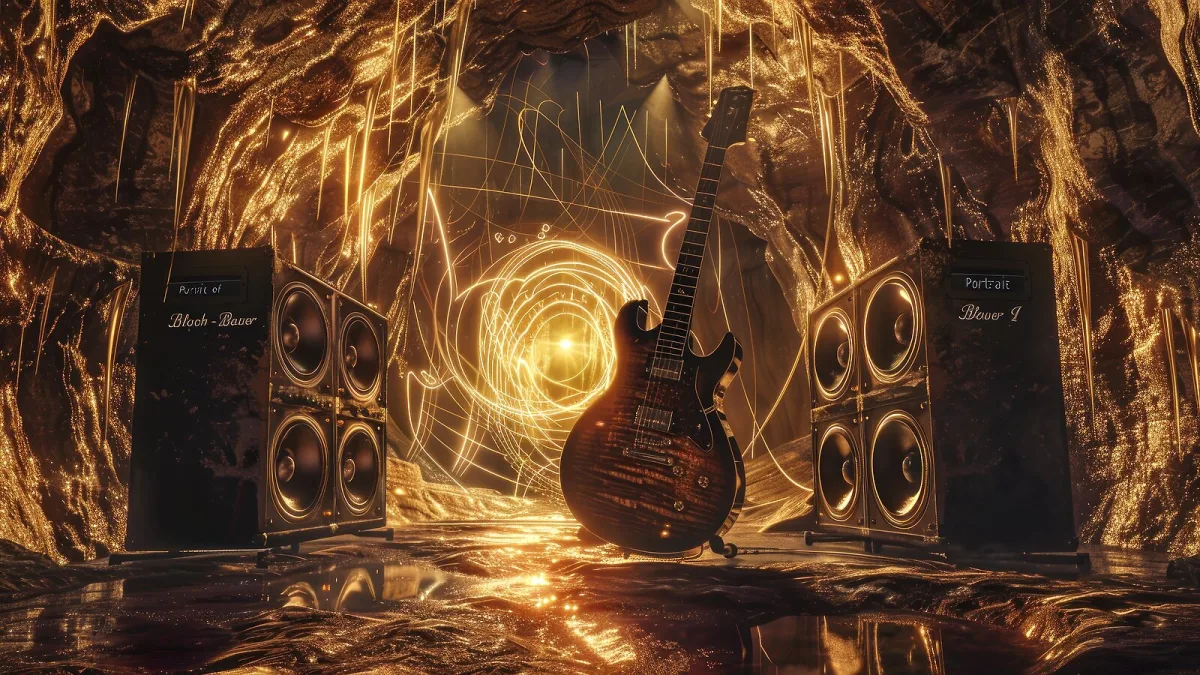
Modelling amps are one of the most interesting developments in guitar technology of the past 30 years. They use digital signal processing to simulate the behaviour of classic valve amplifiers — the crunch of a vintage Marshall plexi, the clean sparkle of a Fender Twin, the warm breakup of a Vox AC30 — in a single enclosure that weighs a fraction of the originals. Here is a thorough look at how they work, what the best options offer, and where the technology is heading.
What a Modelling Amp Actually Is
A modelling amp uses a DSP chip — Digital Signal Processor — to mathematically replicate the electrical behaviour of a valve amplifier circuit. Rather than physically recreating the transformers, capacitors and thermionic valves of the originals, it analyses how those components interact with a guitar signal and reproduces the result digitally. Modern modelling is sophisticated enough to capture not just the tonal character of an amp but also subtle characteristics like sag (the compression that occurs when a valve amp is pushed hard) and harmonic content (the specific overtones that give each amp its signature voice).
The term "modelling amp" is sometimes used loosely to describe any digital amp, but in precise usage it refers to a unit with an on-board DSP that runs proprietary or licensable amp simulations. A modelling amp is different from an amp loaded with simple digital reverb — it attempts to simulate the complete signal chain from preamp to power amp, and often the speaker cabinet too.
A Brief History
The concept of digitally modelling an amplifier emerged in the early 1990s, but the product that put it on the map was the Line 6 POD, released in 1998. The bean-shaped red unit was unglamorous but groundbreaking — it offered 16 amp models and quickly became a staple of home studios and professional recording sessions alike. Line 6 followed with the Flextone combo amps, bringing the technology into a traditional amp format.
Roland's COSM (Composite Object Sound Modelling) technology appeared in the mid-1990s and powered the VG-8 guitar synthesiser before making its way into the Jazz Chorus JC-120H and Boss products. Fender, Marshall, Vox and Blackstar all eventually launched modelling ranges. By the 2010s, the technology had matured to the point where flagship units like the Fractal Axe-Fx II and Kemper Profiler were widely used on professional tours alongside — or instead of — traditional valve rigs.
Types of Modelling Amp
Combo Modelling Amps
The most familiar format: a speaker cabinet with the modelling electronics and amplifier stage built in. The Boss Katana series is perhaps the most successful example at the mid-market — an analogue power stage with COSM modelling in the preamp, available in 50W and 100W configurations. Others include the Fender Mustang GTX, Blackstar ID:Core, Yamaha THR series (desktop scale) and the Vox VT range. These are the easiest entry point: plug in, select an amp model, play.
Modelling Preamps and Floorboards
Floor-based units like the Line 6 Helix, Neural DSP Quad Cortex and Boss GT-1000 are modelling processors without built-in speaker stages. They run into a PA system, a powered FRFR (Full Range, Flat Response) speaker, or the return of a valve amp's effects loop. These give the most routing flexibility and are preferred by touring professionals.
Profiling Amps
Technically distinct but often discussed alongside modelling, a profiling amp captures the sound of a specific, real valve amp by analysing its response to a test tone. The Kemper Profiler is the dominant product in this category. Rather than modelling from circuit analysis, it creates a "profile" of your own amp — or uses one of hundreds of commercially available profiles. The result is a highly accurate reproduction of a specific unit, not a generic "Plexi sound".
Key Technologies Explained
- Impulse Responses (IRs): A digital "fingerprint" of how a real speaker cabinet responds to a signal. Most modelling units support loading custom IRs, which dramatically improves realism over generic built-in cabinet simulations. Many users download IRs captured from vintage Celestion-loaded cabinets, Mesa Boogie 4x12s, and so on.
- FRFR speakers: Full Range, Flat Response speakers are designed to reproduce a modelling amp's cabinet simulation accurately, rather than colouring the sound the way a guitar speaker does. Running a modelling unit into an FRFR speaker is the preferred approach for live use.
- USB audio: Most modelling amps now include a USB audio interface for direct recording into a DAW — no microphone required. The signal comes in already processed, which saves significant time in the studio.
Amp Modelling vs Real Valves: The Honest Assessment
The debate between modelling and valves is less heated than it was in 2005, largely because the technology has got good enough that the argument has become academic for most playing situations. Here is the honest summary:
- In a mix, modelling amps often sit as well as — or better than — valve amps, because they can be carefully controlled and dialled in precisely.
- In front of an audience, the best modelling rigs (Fractal, Kemper, Neural DSP) are indistinguishable from valve amps to all but the most attentive listener.
- For feel under the fingers, high-end modelling is very close but not identical to a loud valve amp in a room. The physical interaction between the speaker, the room, and the player's body is not easily replicated digitally.
- For gigging practicality, modelling wins decisively: no valves to swap, no re-biasing, consistent sound night to night, silent recording at home.
Popular Modelling Amp Platforms
| Product | Type | Strength |
|---|---|---|
| Boss Katana | Combo amp | Best value; analogue power stage |
| Fender Mustang GTX | Combo amp | Strong clean platform; Fender models |
| Line 6 Helix | Floorboard | Routing flexibility; wide model range |
| Kemper Profiler | Profiler | Captures real amps; vast profile library |
| Fractal Axe-Fx III | Rack preamp | Highest quality; professional standard |
| Neural DSP Quad Cortex | Floorboard | On-board profiling; modern interface |
| Yamaha THR10 | Desktop amp | Home practice; superb at low volume |
The Bottom Line
A modelling amp is one of the most versatile tools a guitarist can own. Whether you want to record late at night through headphones, gig without carrying a valve stack, or access 50 different amp sounds in one unit, modern modelling covers it better than ever before. The technology is no longer a compromise — at every price point from the Yamaha THR to the Fractal Axe-Fx, you get genuinely useful, genuinely musical results.
Ready to buy one? The buyer's guide covers what to look for at each price point. Completely new to it all? Start with the beginner's guide.






Comments