


Jhs Pedal article
Jhs Pedal for Beginners: A Complete Guide
You don't need to understand the whole catalogue to buy your first JHS pedal sensibly. Here's the plain-spoken version, no jargon overload.
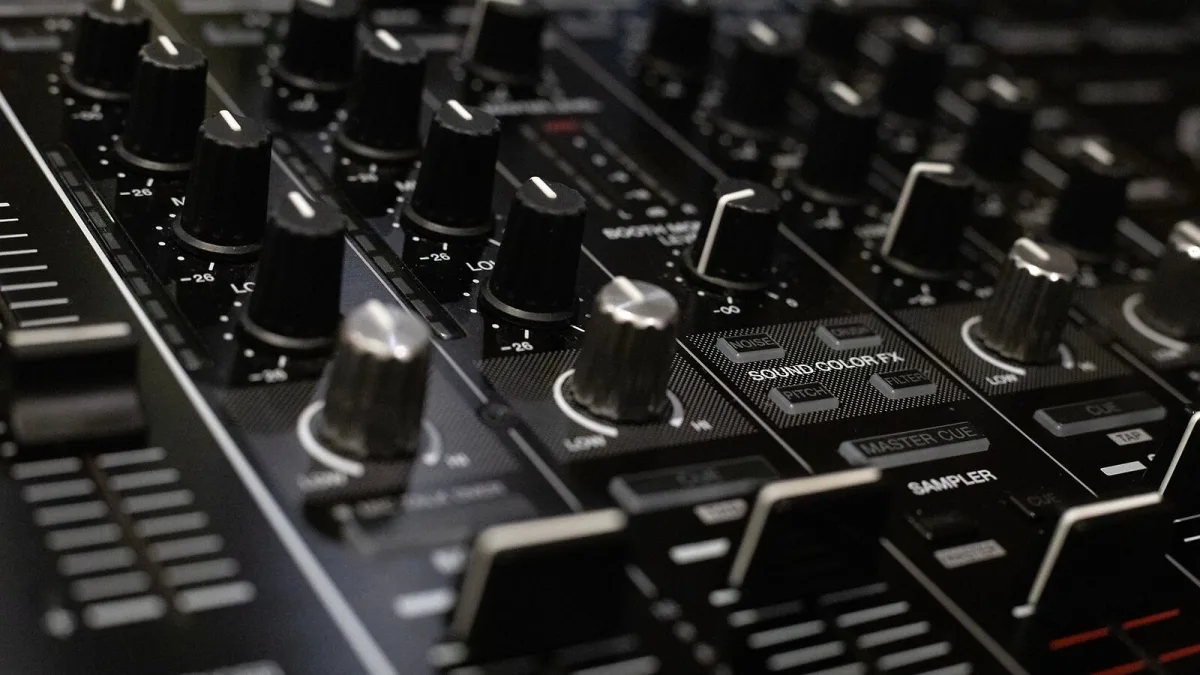
Right, you've watched a demo video, got a bit excited, and now you're staring at a catalogue with way more boxes in it than you expected. That's normal. JHS pedals cover a genuinely wide range of effects, but as a first-timer you don't need to understand all of it — just enough to buy sensibly and not waste money on something you'll never use. Let's sort that out properly.
First, Work Out What You Actually Want to Change
Every pedal in this range does one of a small number of jobs: it makes your sound break up (overdrive or distortion), it adds texture (fuzz), it evens out your playing dynamics (compression), or it shapes your tone before it hits an amp or a recording (preamp). As a beginner, pick the one job you actually want solved first. Don't try to buy for every scenario at once — that's how people end up with three pedals they barely use.
The Terms, Plainly
- Overdrive — a softer, more amp-like breakup. Good if you already like your amp's clean tone and just want to push it.
- Distortion — a harder, more aggressive gain sound, less dependent on your amp's own character.
- Fuzz — a rougher, more textured, less "amp-like" sound, good for a distinct colour rather than a subtle push.
- Compression — doesn't change your tone's character so much as evens out how loud your loud notes are versus your quiet ones.
If none of that means much yet, don't worry — most beginners work it out by ear within a few weeks of actually using a pedal, not by reading definitions.
Your Actual First JHS Pedal
Honestly? Start with the 3 Series. It's the affordable line, it covers all the main categories, and it means your first purchase isn't a big financial risk while you're still working out what you actually like. If you already know you want that gentle, amp-pushing breakup specifically, the Morning Glory is the more established single-pedal starting point — it's designed to sit in front of a clean amp without fighting its natural tone.
Where It Goes in Your Chain
Don't overthink this part as a beginner: gain pedals (overdrive, distortion, fuzz) generally go before anything time-based like delay or reverb, and a compressor usually goes near the front of the whole chain. That's not a strict law, but it's a sensible default until you've got enough experience to know why you might want to break it.
Common Beginner Mix-Ups
- Assuming "based on" means "exact copy." Most JHS pedals are inspired by a classic circuit, not a component-for-component clone of it — and that's not a bad thing, just worth knowing.
- Buying the flagship straight away. There's no shame in starting with the 3 Series. Plenty of experienced players still use it.
- Expecting one pedal to do everything. A drive pedal won't fix a dull-sounding amp, and a compressor won't add gain. Match the tool to the actual job.
Once You've Got Your First One Sorted
Ready to think a bit more carefully about matching a specific pedal to your amp? Our buyer's guide is the next step, and our full overview covers the whole brand and range in proper depth. Curious where the smartest value actually sits? Try our value round-up, and once you've had a pedal for a while, our list of common mistakes is worth a read.
The Bottom Line
You don't need to understand the whole catalogue of JHS pedals to buy your first one sensibly — just the one job you want solved, and the confidence to start affordable while you work the rest out.





Comments