


Cables Jack roundup
Cables Jack: A Complete Buyer's Guide
Buying a guitar cable shouldn't be an afterthought. Here's what to look for at each price point and how to match the cable to your actual use.
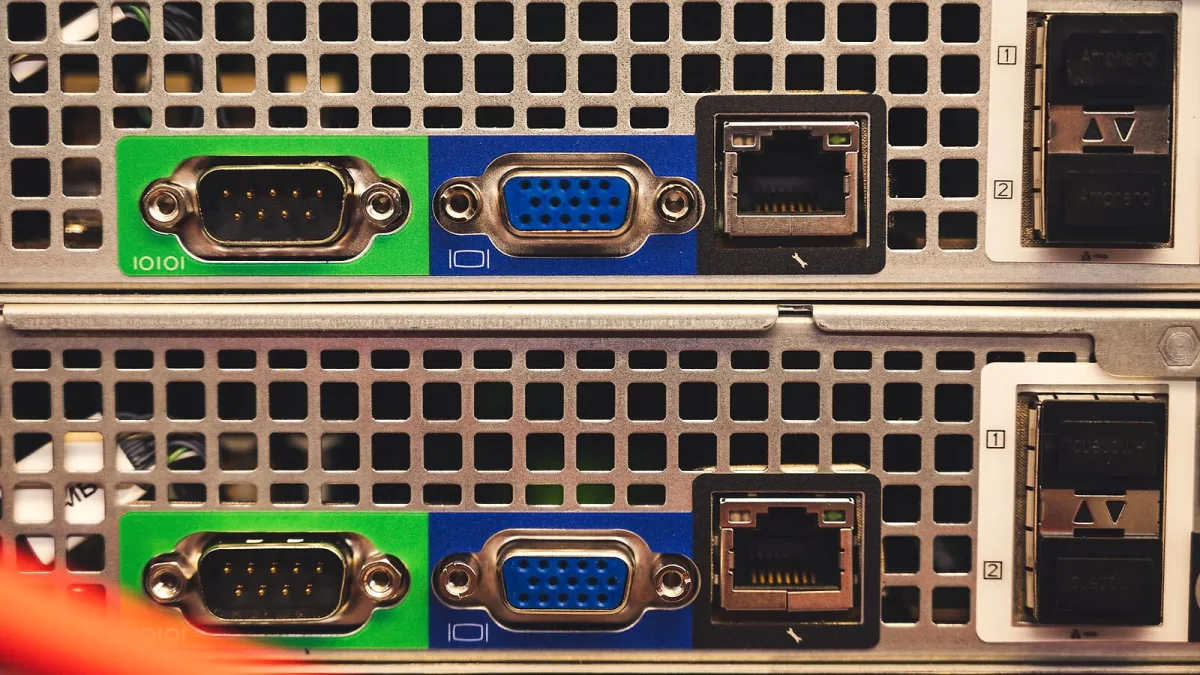
There's something almost funny about the amount of thought guitarists put into pickups, pedals and amplifiers while buying their guitar cables from a supermarket basket at the checkout. It happens constantly. The cable is the first connection in your signal chain, and if it's doing its job poorly — introducing noise, rolling off the top end, or threatening to fail on stage — the rest of the rig can't compensate. Buying the right one the first time isn't complicated; it just requires a moment's thought rather than none at all.
What You're Actually Buying
A cables jack for guitar is a physical carrier for an electrical signal. What you're paying for when you spend more is: better shielding against interference, lower capacitance (which preserves high-frequency response), better-quality connectors that won't fail, and more flexible cable construction that won't crack from repeated coiling. Those four things matter in proportion to how demanding your use is. A casual bedroom player faces different requirements from someone gigging twice a week.
Budget Options: What to Expect
The budget end of the cables jack market — leads sold for under £10 — does the job at a basic level. They carry the signal, they fit standard 1/4-inch sockets, and they won't embarrass themselves on a quiet practice night. What they often lack is consistent shielding quality, robust connectors that survive heavy use, and low capacitance construction. They are also more likely to develop intermittent faults — crackling, signal dropout or hum — over time.
For a bedroom player who plugs in occasionally and doesn't move the lead much, a budget option is a reasonable start. For anyone playing through pedals, gigging or recording, budget cables are a false economy: you will replace them before long.
Mid-Range: The Sweet Spot for Most Players
In the £15–40 range, the cables jack market offers significantly better quality and usually substantial improvements in reliability. Brands like Planet Waves (D'Addario), Fender and Ernie Ball produce leads in this range that feature proper shielding, decent connector construction and low enough capacitance to avoid tonal degradation on normal cable lengths.
Planet Waves in particular is consistently recommended in this bracket: good build quality, a lifetime warranty on some lines, and widely available in UK shops. For a gigging player who needs reliable, consistent performance without specialist outlay, a mid-range lead is the practical choice.
Professional-Grade: When It's Worth Spending More
Professional studio-grade cables — Mogami Gold, Canare GS-6 — are at a higher price point but offer measurably lower capacitance, top-tier shielding and connector quality that is simply more reliable under sustained heavy use. These are the cables used in professional recording studios and on serious touring rigs.
The honest truth is that most players at most stages won't hear a dramatic difference between a mid-range cables jack and a professional-grade one in a live context. The difference is most audible in studio recording, where cable quality has a direct bearing on signal purity, and in high-gain settings where shielding quality affects noise floor. For a recording guitarist or a professional touring player, the upgrade to professional-grade is justified. For most others, mid-range represents better value.
What Length to Buy
Think about how you actually use the cable. Instrument to pedalboard? A 10-foot (3-metre) lead is usually enough and keeps capacitance low. Pedalboard to amp? A short patch cable from board to amp — 15–20 feet maximum unless the stage requires more. Instrument directly to amp with no pedalboard? A 15–20 foot cables jack gives you room to move without excessive length.
The rule is simple: use the shortest length that works for your situation. Every extra foot of cable adds capacitance, and excessive length is a common and entirely avoidable source of tonal dulling.
Connectors: Right-Angle or Straight?
Right-angle connectors at the instrument end are practical for guitars with side-mounted output sockets — the cable lies flat against the body and is less likely to be caught and damaged. Straight connectors are easier to pull out quickly. If you're buying a single cables jack for general use, a right-angle on the guitar end and a straight on the amp end is the most versatile configuration, and many leads are supplied this way.
Patch Cables for Pedalboards
If you're connecting pedals to one another, you need short patch cables rather than full-length instrument leads. These are shorter cables jacks in the same standard format, designed for tight spaces. Solderless patch cable systems — George L's and similar — let you cut cables to exact length, which is useful for a tidy board. Pre-made patch cables in standard short lengths are cheaper and faster if precision fit isn't a priority.
For a full technical breakdown of how these cables work and what makes them different, the complete guide covers the detail. For specific recommendations at each price point, the best for the money article has the picks. And if you're new to all of this, the beginner's guide starts from scratch.





Comments