


Cable for Guitar article
The Ultimate Guide to Cable for Guitar
It looks like just wire and two plugs, but a guitar cable is doing real electrical work. Here's the honest, no-nonsense version of what actually matters.
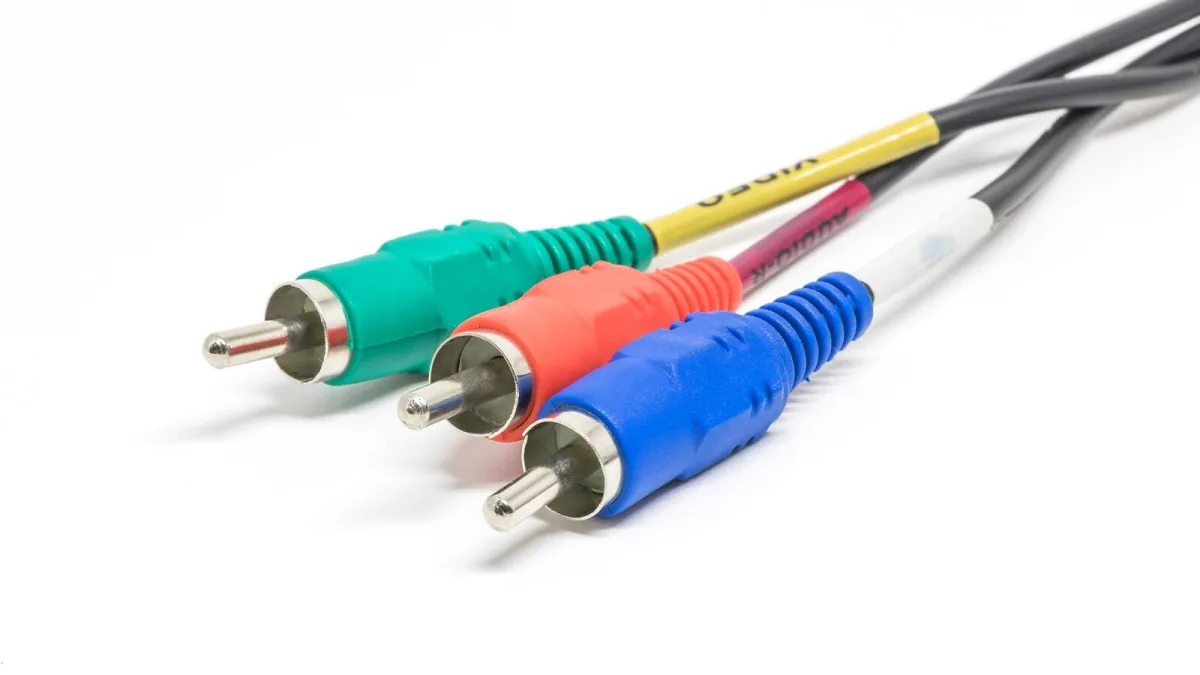
Right, let's talk about the bit of kit nobody thinks about until it lets them down mid-gig. A guitar cable looks simple — wire, two plugs — but it's actually doing real electrical work every time you plug in, and a cheap or knackered one can quietly rob your tone before it even reaches the amp. Here's the honest, no-nonsense version of what a cable actually does and what's worth caring about.
What a guitar cable actually is
A guitar cable is a shielded instrument cable, built to carry your guitar's relatively weak, high-impedance signal to a pedal, amp or interface without picking up unwanted noise along the way. Strip one back and you'll find a central conductor carrying the actual signal, an insulating layer, a shield wrapped around the lot to reject interference, and an outer jacket holding it all together. The plugs and the strain relief where the cable meets them matter just as much as anything inside — that's usually where cables actually fail.
This is not the same thing as a speaker cable. Speaker cables carry high-current signal from amp to speaker and are usually unshielded — using one between your guitar and amp input won't fry anything, but it will sound thin, noisy and generally wrong. Always reach for a proper 1/4-inch TS instrument cable.
Why capacitance is the number that actually matters
Every cable has capacitance — its ability to store a small electrical charge — and it's specified in picofarads per foot (pF/ft). With a passive guitar, that capacitance interacts with your pickups and controls to shape the top end of your tone. More capacitance generally means a darker, softer sound; less capacitance keeps things open and articulate. Crucially, it's total capacitance that counts, not just the per-foot figure — a 20ft cable has roughly twice the capacitance of the same cable at 10ft.
None of this means longer is automatically bad. Plenty of great tones have been recorded through longer, "darker" cables, and some players choose one deliberately to tame a bright guitar or pickup. It's a tool, not a trap.
Shielding: your defence against hum
A cable's shield is what stops it acting as an aerial for mains hum and radio interference. Braided shielding is generally the most effective and durable option; spiral shielding is cheaper and more flexible but can let more noise through, especially once it's been flexed and coiled a thousand times; foil shielding can offer excellent coverage but is more fragile unless it's paired with something sturdier underneath. A cable can have brilliant shielding on paper and still hum like a fridge if the shield's badly soldered to the plug — construction quality matters as much as the spec sheet.
Sensible lengths for real situations
| Length | Good for |
|---|---|
| 6–10 ft | Studio work, guitar-to-pedal runs, compact boards |
| 10–15 ft | Most rehearsals, small stages and general use |
| 15–20 ft | Bigger stages where you need to move about |
| 20 ft+ | Worth a buffer, wireless system or low-capacitance cable |
If your board already has a buffered pedal early in the chain, a lot of this stops mattering quite so much — a buffer resets the signal to low impedance, so the capacitance of everything after it has far less effect on your tone.
Does an expensive cable actually sound better?
Sometimes, but not for mystical reasons. A pricier cable often buys you better shielding, sturdier connectors, a proper warranty and more reliable strain relief — all things that matter over years of gigging. What it doesn't automatically buy you is magically "richer" tone; that comes down to measurable capacitance and construction, which a budget cable can absolutely get right too. Don't let a price tag do your thinking for you.
Where to go from here
Ready to actually buy one? Our full buyer's guide walks through specs, connectors and brands in proper detail, while common mistakes to avoid covers the pitfalls that actually ruin cables early. New to all this? Our beginner's guide keeps things simple.
The bottom line
A good guitar cable is shielded, has sensible capacitance for its length, and is built with connectors and strain relief that'll survive real use — that's the whole job description. Get those basics right and you can stop worrying about cables and get back to playing.






Comments