


Shamisen roundup
The Best Shamisens for the Money
There's no single best shamisen — only the right one for your repertoire, climate and stage of learning. Here's how the categories break down.
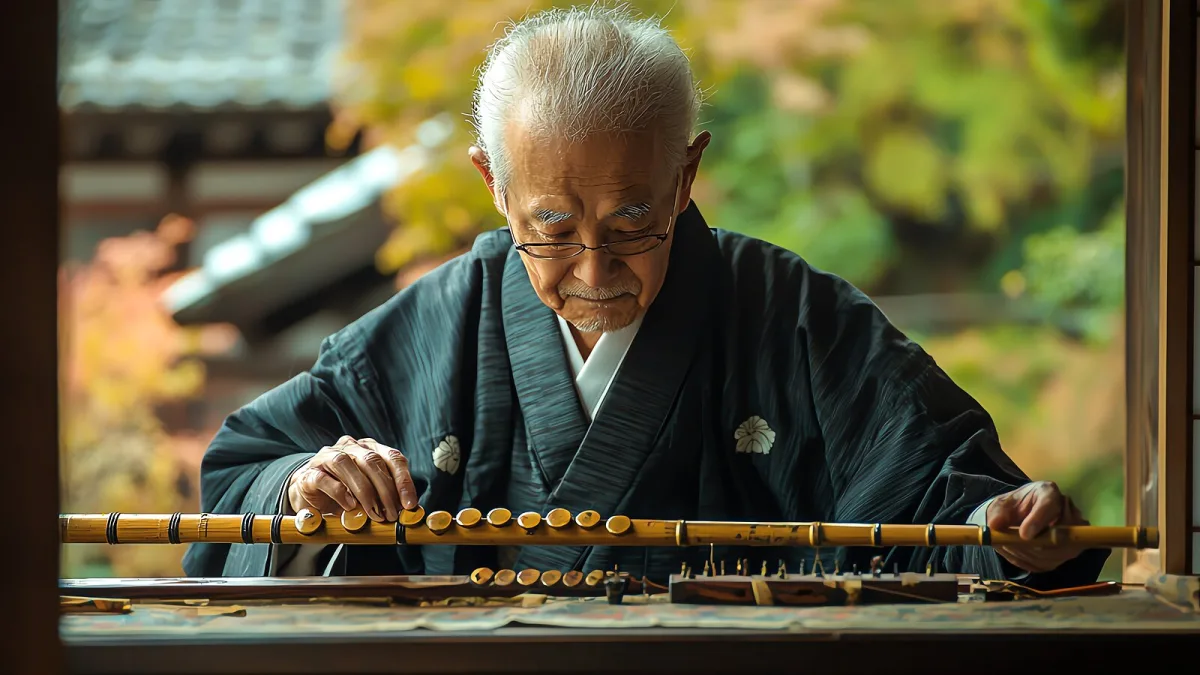
There's no single "best" shamisen — only the right instrument for what you're actually trying to do with it. Rather than chase a name or a listing price, it's far more useful to think in terms of who you are as a player and what you need from the instrument right now. Here's how those categories break down.
Best for an Absolute First Instrument
If you're brand new to the tradition and not yet committed to a specific school or repertoire, a hosozao with synthetic skin and nylon strings is the sensible starting point. It's lighter to handle, far more forgiving of humidity and temperature swings than a natural-skin instrument, and nylon strings are generally easier to source and replace than silk, wherever you happen to be learning. None of that makes it a lesser instrument — it simply removes several sources of frustration while you're still building basic technique.
Best for Committed Students Studying a Specific Tradition
Once you know which repertoire you're pursuing and have a teacher guiding your choices, it's worth matching the instrument more precisely: a hosozao for nagauta, kōta or hauta, a chūzao for jiuta or min'yō, each chosen alongside your teacher rather than independently. At this stage, natural skin becomes a more reasonable option too, since you'll likely have the knowledge — and the access to a specialist — needed to look after it properly.
Best for Tsugaru-Style Playing
Tsugaru shamisen asks for a genuinely different physical instrument: a futozao, built with a thicker neck and greater structural strength to handle the powerful attack, rhythmic drive and improvisational style the tradition is known for. A thinner-necked instrument simply won't hold up to that playing style over time, so this is one case where the "beginner-friendly" hosozao option isn't actually the safer choice — it's the wrong tool for the job.
Best for Humid or Widely Varying Climates
If you're learning somewhere with real seasonal humidity swings, or you travel with your instrument regularly, synthetic skin is worth prioritising over natural skin regardless of your skill level. It's simply more consistent across changing conditions, and it removes one of the more common sources of anxiety — and potential expense — for anyone who can't control their instrument's storage environment precisely.
Best for a Tight Budget
Cost varies enormously by neck type, skin material and craftsmanship, and specific current prices aren't something a general guide like this one can responsibly quote. As a rule of thumb, though, synthetic skin and nylon strings tend to bring the overall cost down compared with natural-skin, silk-strung equivalents, without meaningfully compromising a beginner's early progress. Treat any specific figure you see as a starting point for a conversation with a specialist retailer, not a fixed benchmark.
| Player type | Best fit |
|---|---|
| Absolute beginner | Hosozao, synthetic skin, nylon strings |
| Committed student (nagauta/jiuta) | Hosozao or chūzao matched to repertoire |
| Tsugaru-style player | Futozao, built for strength and projection |
| Humid or variable climate | Synthetic skin, any neck type |
Related Reading
If you want the fuller picture before deciding which category fits you, Shamisen Explained: Features, Types and Tips covers the parts and neck types in depth, and Shamisen: A Complete Buyer's Guide walks through what to physically check before you pay. New to the instrument entirely? Shamisen for Beginners: A Complete Guide starts even further back.
Don't Skip a Real Instrument for a Toy One
One category worth avoiding entirely: novelty or decorative shamisen sold as ornaments rather than instruments, which won't hold tuning or respond properly to a bachi at all. They're sometimes marketed alongside genuine beginner instruments and can look similar in photographs, so it's worth confirming with a seller that what you're buying is actually built to be played, not just displayed.
The Bottom Line
Match the instrument to your repertoire, your climate and your stage of learning, in that order, and you'll land on the right choice far more reliably than chasing a specific brand or price point. The "best" shamisen is simply the one that suits what you're actually going to do with it.





Comments