


Mountain Dulcimer guide
How to Set Up and Use Mountain Dulcimer
Setting up a mountain dulcimer correctly from the start makes it easier and more enjoyable to learn on. Here's how to tune it, check the action, position it, and play your first notes.
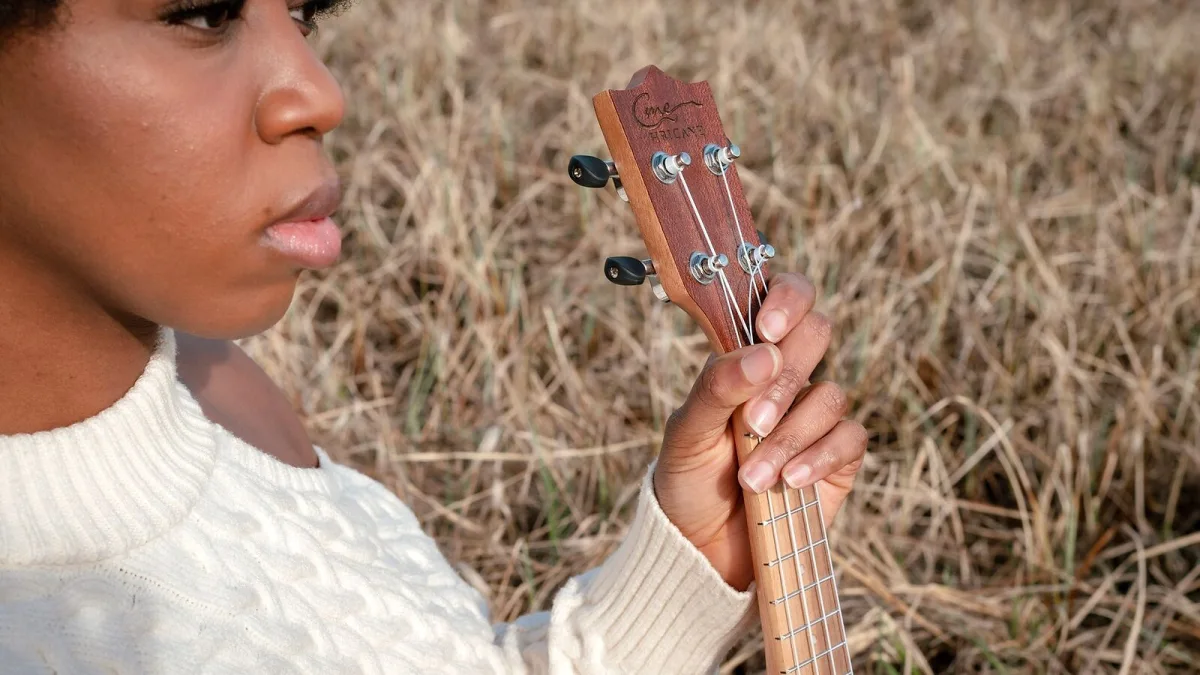
Setting up a mountain dulcimer properly takes less time than most instruments but matters more than many players expect. A well-set-up instrument is easier and more enjoyable to play; a poorly set-up one will put you off before you have even properly started. Here is what to do when you first get one, and how to keep it playing well.
Step 1: Tune It
The standard starting tuning for a mountain dulcimer is DAD — bass string to D, middle string to A, treble string to D (one octave above the bass). Use a chromatic tuner or a tuning app. Tune from the bass string upward. The instrument is relatively stable once settled, but new strings will take a day or two to fully stretch and hold pitch. Retune before every session for the first week.
DAA (bass D, middle A, treble A) is the other common tuning — historically the traditional choice, and still preferred by many noter-drone players. If you have been taught with DAA, start there. If you are learning independently, DAD gives more harmonic flexibility.
Step 2: Check the Action
Action — the distance between strings and frets — should be low enough to play comfortably without buzzing. Press each string at the first fret: it should take minimal effort. If the action is high at the nut, the nut slots may need to be filed down slightly. If strings buzz across the fretboard, the nut slots may be too low or the saddle may need adjustment. Both are simple fixes a local luthier or music shop technician can perform.
Step 3: Position It Correctly
A mountain dulcimer is played flat — laid across the lap or on a low table, with the head (tuning peg end) to your left if you are right-handed. The instrument should sit stably without you needing to grip it. Some players use a cloth or piece of chamois leather underneath to prevent slipping. The strumming hand sits over the sound hole area; the fretting hand (or noter) works the melody string between frets.
Step 4: Learn the Basic Strum
The traditional strum for a mountain dulcimer is a light, continuous sweep across all three strings — out on the down stroke, back on the up stroke. Use a feather quill, a soft pick, or just your fingernails. The goal is a consistent, even sound where the drone strings ring freely beneath the melody. Avoid gripping the pick too tightly or pressing too hard into the strings.
Ongoing Care
Keep the instrument away from direct sunlight, heat sources, and extreme humidity changes. Wipe down the strings after playing. Store in a case or bag when not in use. If you live in a very dry environment, a small soundhole humidifier (the type used for acoustic guitars) will protect the wood. Replace strings when tone goes dull or they start to show wear. For more on getting started with the instrument, the beginner's guide covers the playing basics.






Comments