


Koto roundup
The Best Kotos for the Money
A beginner's koto, a student's koto and a performer's koto are solving different problems — here's how value actually breaks down by tier.
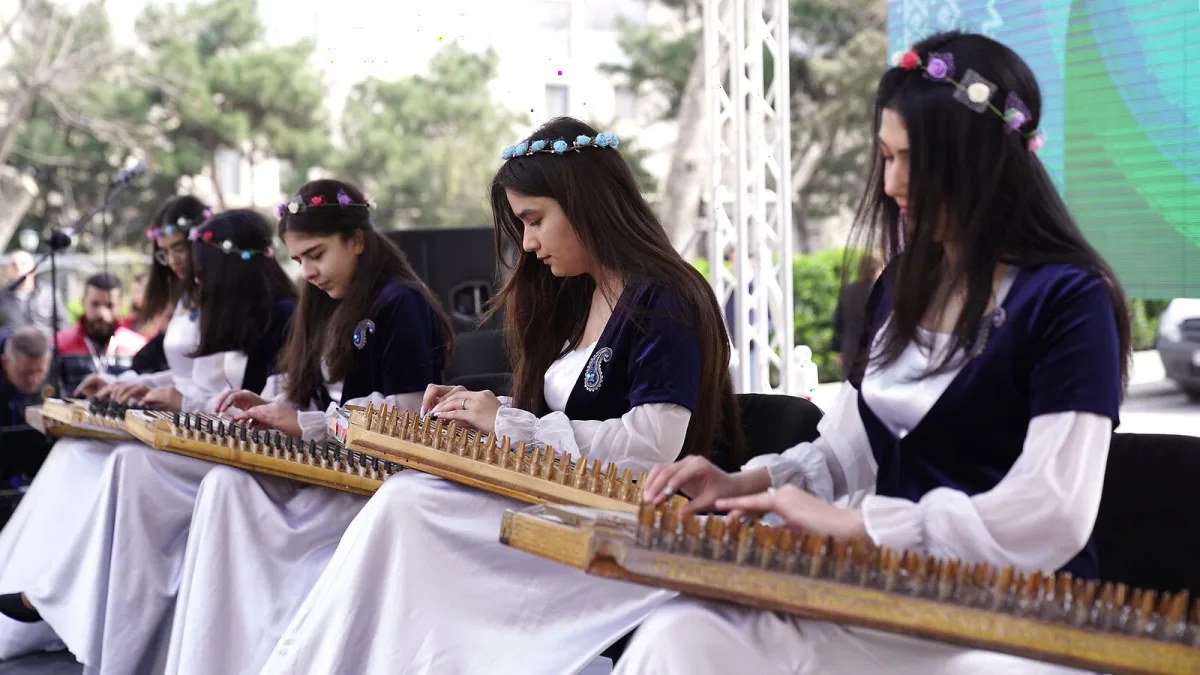
People ask me for "the best koto" the way they'd ask for the best acoustic guitar, expecting one clear winner at the top of a list. It doesn't quite work that way with this instrument. A student's first koto and a concert performer's koto are solving completely different problems, so instead of a single recommendation, here's how the value actually breaks down by who you are and what you're doing.
For the absolute beginner
At this stage, what you want most is a stable, reasonably priced 13-string koto that holds its tuning through regular practice and doesn't demand you become a woodworking expert to keep it in good order. Fancy inlays and elaborate finishes mean nothing here — a solid paulownia body, secure bridges and consistent tone across the strings are the whole game. This is also the tier where buying second-hand from a retiring student or a local teacher can genuinely be the smartest move, provided someone who plays checks it over first.
For the committed student
Once you're a few years into lessons and settled with a teacher and a school — Ikuta-ryū or Yamada-ryū — it's worth stepping up to an instrument with a more refined, responsive tone, chosen with your teacher's input rather than bought sight unseen. This is where the small details start to matter more: how the strings feel under the tsume, how evenly the bridges hold across the full range, and whether the instrument's voice actually suits the repertoire you're working on.
For ensemble and sankyoku players
If you're playing regularly alongside shamisen and shakuhachi in sankyoku, or in any group setting, consistency with the other instruments in the room becomes the priority. A koto that sounds lovely in isolation but sits oddly against its ensemble partners isn't doing its job. This is also where a 17-string jūshichigen might genuinely earn a place in your collection, if the group needs that lower register — but only then, not as a general step up from the standard instrument.
For performers and composers wanting more range
Twenty- and twenty-five-string koto exist for a reason: contemporary composition often wants a range the traditional thirteen strings simply can't offer. These are specialist purchases, generally made once a player already has a strong sense of what they need from an extended instrument, rather than a natural "upgrade" path for most students. A commissioned or custom-built koto is common at this level, built in close conversation between player and maker rather than bought off a shelf.
A note on price and value
It's tempting to treat price as a straightforward ladder — pay more, get more — but a koto doesn't quite work that way. A modestly priced instrument from a careful maker will often outlast and outplay an expensive one that's been poorly set up, and the single biggest factor in long-term value is how well the bridges and tuning hold up under years of regular playing, not the number on the price tag when you bought it.
| Player | What matters most |
|---|---|
| Absolute beginner | Stable tuning, solid body, simple maintenance |
| Committed student | Refined tone, teacher's input, comfort under the hand |
| Ensemble player | Blend with shamisen and shakuhachi, register needs |
| Performer or composer | Extended range, specialist construction |
Whichever tier you're shopping in, it's worth reading our buyer's guide for what to physically check on any koto before you commit, and if you're brand new to the instrument entirely, our beginner's guide is the better starting point.
What separates a good instrument from a disappointing one
Across every tier, the same three things decide whether an instrument is worth its price: a body free of cracks or warping, bridges that hold their position securely and move smoothly when adjusted, and a consistent tone across every string. A beautiful finish or an impressive length of paulownia won't compensate for a fault in any of those three, and a plainer instrument that gets all three right will always outlast and outplay a showier one that doesn't.
The bottom line
There's no single best koto, only the right instrument for the player and the setting in front of you. Buy for where you actually are — a beginner's stability, a student's refinement, an ensemble's blend, or a composer's range — and you'll end up with something that earns its keep rather than one that simply looks the part on a shelf.



Comments