


Fender Ukulele roundup
Fender Ukulele: A Complete Buyer's Guide
Size, top construction and whether acoustic-electric matters are the three decisions. Here's how to make them clearly.
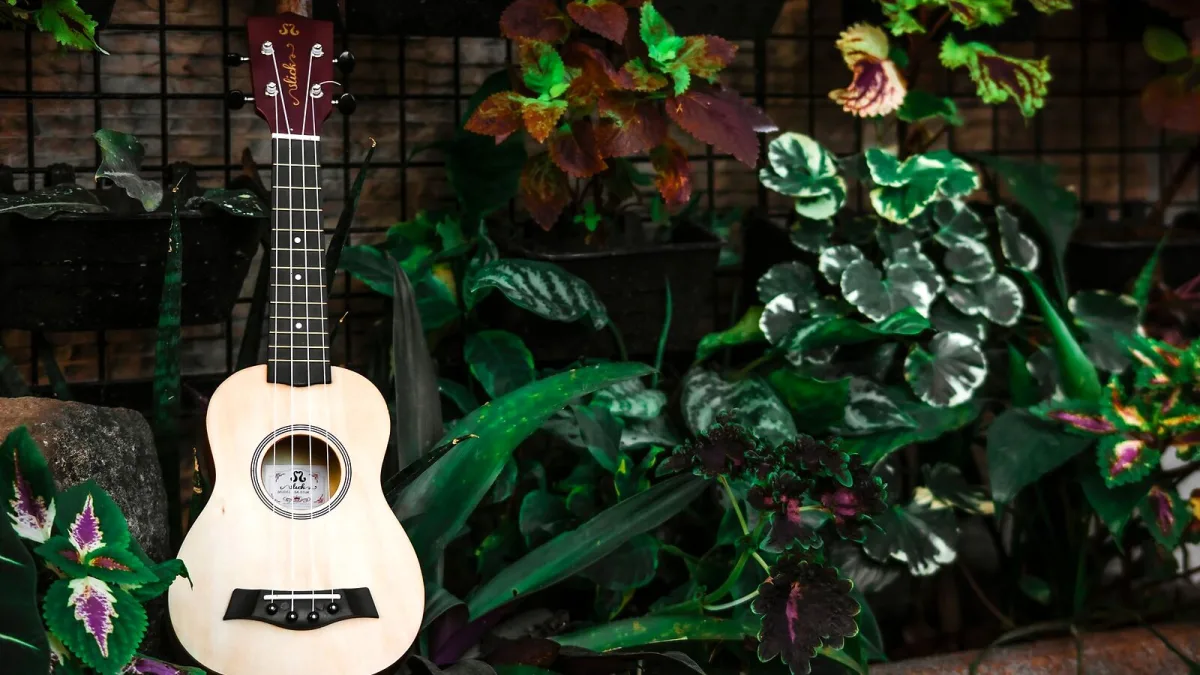
Choosing a Fender ukulele comes down to a few practical questions: which size suits how you play, whether you want a solid or laminate top, and whether the acoustic-electric option matters for your use. This guide covers each decision clearly.
Body Size First
The three standard sizes each behave differently in the hand and sound distinctly different:
- Soprano — the most portable and the most traditionally ukulele-sounding. Short scale, bright and percussive. Ideal for strummed chord playing and the classic ukulele register.
- Concert — fractionally larger, a longer scale (38cm/15 inches), slightly more volume and a somewhat fuller tone. Good for players who find the soprano cramped for fingering.
- Tenor — the largest standard size; deeper resonance, more sustain and a richer tonal character. Better suited for solo fingerpicking and playing melodies over chord sequences.
Solid Top vs Laminate
Solid-top Fender ukulele models sound noticeably better than laminate equivalents over time — the wood opens up with playing and the resonance improves. Laminate tops are more resistant to humidity and temperature changes, which matters if the instrument will travel or be stored in varied conditions. For a home practice and performing instrument in stable conditions, the solid top is worth the extra cost.
Gig Bag and Accessories
Check whether a gig bag is included with the model you choose — many Fender ukulele packages include one, but not all. A tuner, a spare set of strings and a small strap (if preferred) are the only other immediate requirements. Ukulele strings are inexpensive compared to guitar strings.
Price Expectations
Fender ukuleles range from around £100 for an entry-level soprano to over £300 for solid-top concert and tenor models. The mid-range models — typically £150 to £200 — represent the best combination of quality and price for most buyers. Budget sets at under £100 are available but the action and hardware quality drops noticeably.
For a full overview of the range, see the features guide. For setup and first use, see the setup guide.





Comments