


Cuatro roundup
The Best Cuatros for the Money
There's no single best cuatro — only the build that matches your commitment. Here's where the real value sits, tier by tier.
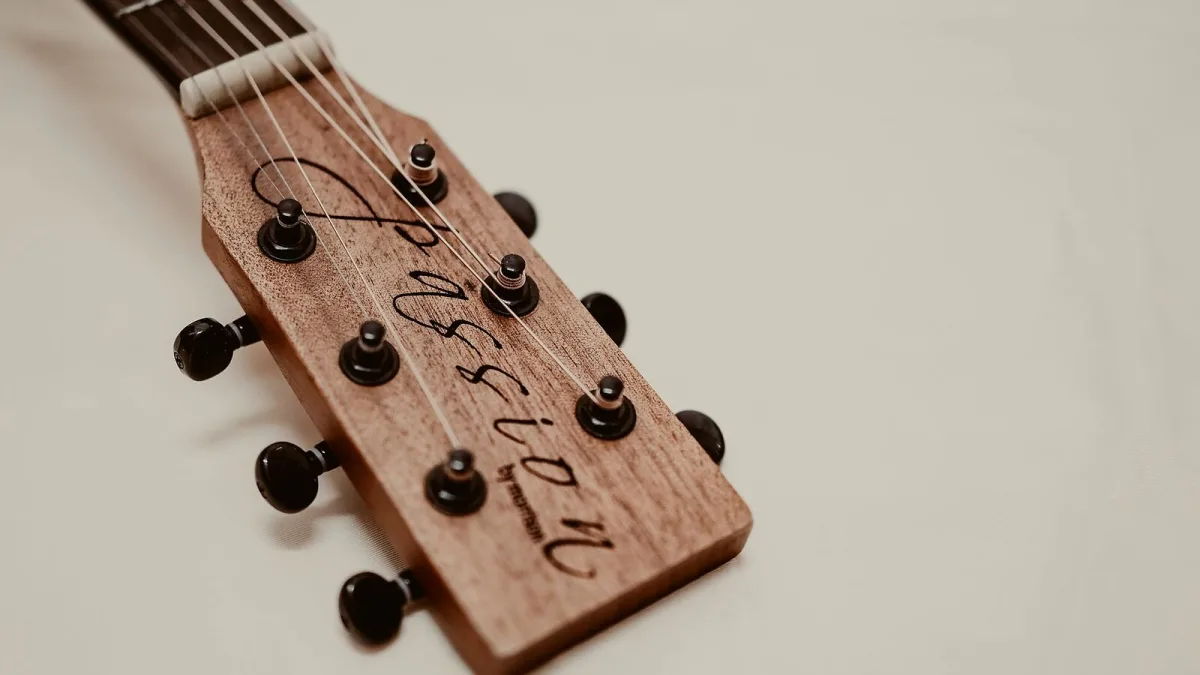
There's no single best cuatro, full stop, any more than there's a single best fiddle — only the one that suits the music in your head and the money in your pocket. So instead of crowning a winner, let's walk through where the real value sits at each stage, from your very first instrument to something built to last a lifetime.
Starting Out: Entry-Level Laminate
If this is your first cuatro and you're not yet certain the commitment will stick, a laminate build is the sensible place to begin. It shrugs off the humidity swings that worry solid wood, holds its tuning reasonably well, and costs little enough that a change of heart isn't a disaster.
- Best for: first-timers, students, anyone testing the water with either the Venezuelan or Puerto Rican tradition.
- What to accept: a slightly flatter, less dynamic tone than solid wood offers — a fair trade for durability at this stage.
Our beginner's guide has more on getting comfortable once you've chosen one.
Committed Beginner to Intermediate: Solid Top
Once you know your cuatro is staying in your life, a solid-top build with a laminated back and sides is where value genuinely starts to climb. The solid top does most of the tonal work anyway, so you get a meaningfully richer, more responsive sound without paying for a fully solid-wood build.
This tier rewards patience — the top opens up and mellows over months of playing a cuatro regularly, which laminate simply doesn't do.
Serious Players: Full Solid Wood
At this level you're paying for tonal complexity and long-term maturation, not for extra features. A fully solid cuatro, built by a maker who specialises in the specific tradition you're after, will keep improving for years — provided you look after it. That's the trade-off worth being honest about: more reward, more responsibility.
| Tier | Build | Best suited to |
|---|---|---|
| Entry-level | Laminate top, back and sides | First-timers, students, uncertain commitment |
| Mid-range | Solid top, laminate back/sides | Committed beginners, gigging players on a budget |
| Premium | Fully solid wood | Serious players, long-term investment |
| Custom | Built to spec by a specialist luthier | Professionals with exacting tonal or tuning needs |
Best Value for Amplified Gigging
If you're playing your cuatro out regularly, value shifts toward reliability under stage conditions rather than pure acoustic tone. A well-fitted undersaddle or internal pickup, tested for feedback resistance before you buy, will serve you better on a working night than a marginally richer unvarnished acoustic sound that folds the moment the monitors go up.
It's worth asking a shop or maker to demonstrate the pickup plugged into an actual amp rather than taking their word for the spec sheet — a system that sounds fine unplugged can behave very differently once volume enters the picture.
Best Value by Tradition
Because the Venezuelan and Puerto Rican traditions use such different builds, "best value" doesn't mean the same thing across both. A well-made Venezuelan instrument tends to sit at a lower price point simply because it's a smaller, simpler build with fewer strings and less bracing. The larger, ten-string Puerto Rican build carries more labour and material cost at every tier, so cuatro budget expectations should shift accordingly rather than assuming both traditions price the same way. Our explainer on both traditions is worth a read if you haven't settled on one yet.
Don't Skimp Here
Wherever you land on price with a cuatro, two things are never worth cutting: proper tuners and a case. Cheap tuners undo the value of an otherwise good instrument by making it a chore to keep in tune, and travelling without a hard or padded case is how good instruments become expensive repair jobs. Once you've settled on a model, our full buyer's guide covers exactly what to check before you hand over money, and it's worth reading up on the common mistakes new owners make while you're at it.
The Bottom Line
Value in a cuatro isn't a fixed price point — it's the build that matches your commitment and the tradition that matches your ear. Start your cuatro on laminate if you're unsure, move to a solid top once you know you're staying, and save full solid wood for when you're ready to invest in an instrument that will keep rewarding you for years.





Comments