


Bouzouki roundup
The Best Bouzoukis for the Money
There's no single best bouzouki, only the right tier for your music and budget. Here's how the market actually breaks down.
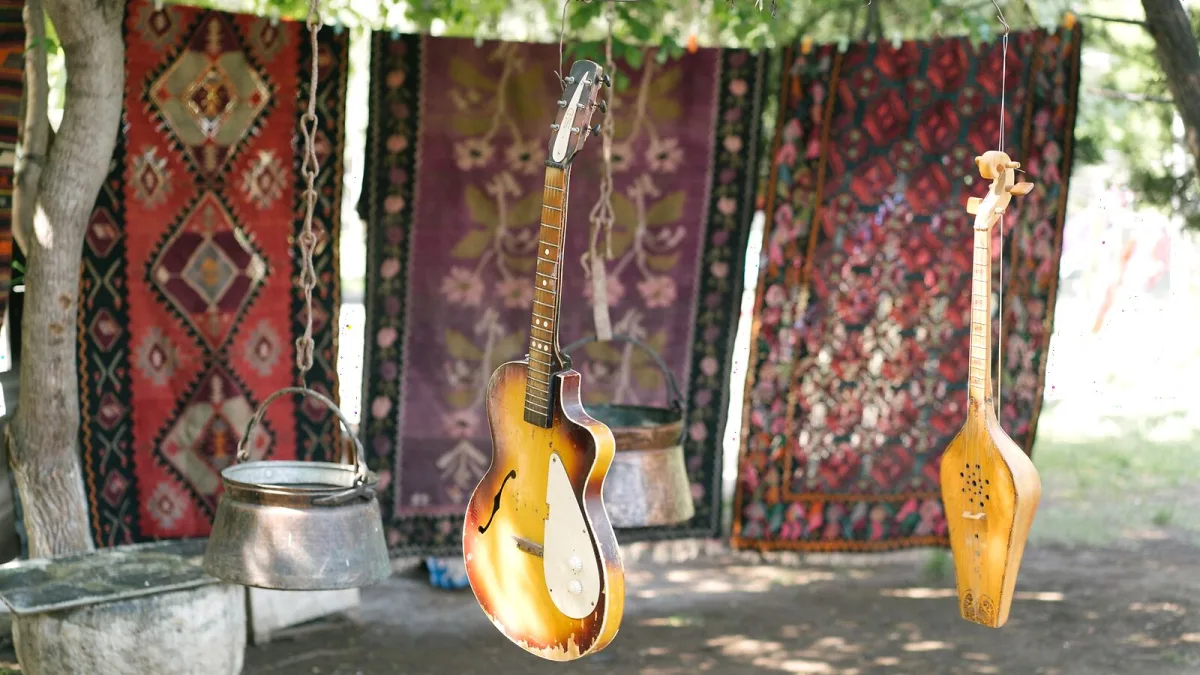
"Best" is a slippery word when it comes to a bouzouki, because the instrument splits into camps that barely overlap. A rebetiko player chasing a bright, drone-heavy trichordo wants something quite different from an Irish session player after a flat-backed instrument that can hold its own against a room full of fiddles. Rather than crown a single winner, here's how the market actually breaks down by budget and purpose, so you can work out which tier is worth your money.
Work Out Your Category Before Your Budget
Value only makes sense once you know what you're comparing. A brilliant tetrachordo is a poor match for a trichordo player, however well it's priced, and a beautifully finished Irish bouzouki won't help you if what you actually wanted was the drone of a Greek instrument tuned D–A–D. Settle the type first — trichordo, tetrachordo or Irish-style — and everything below becomes far easier to judge.
Entry-Level: Getting a Genuine Bouzouki Sound Without Overspending
At the affordable end of the market, factory-built trichordos and tetrachordos, usually with laminated rather than solid wood, are where most newcomers land. They won't have the resonance of a handmade Greek instrument, but a well set-up entry-level model gives you the real tuning system, the real courses and the real playing feel — everything you need to work out whether the instrument suits you before committing more money. Look for clean fretwork and a sensible action over any amount of decorative inlay at this level; the ornamentation adds cost without adding playability.
Mid-Range: Where Most Serious Players Settle
Step up a tier and you start finding solid tops, better hardware and noticeably improved sustain, particularly on tetrachordos aimed at Greek popular repertoire. This is the range that rewards a bit of shopping around, since build quality varies more here than the price tags suggest. A mid-range instrument with a decent piezo pickup already fitted is worth seeking out if you know you'll eventually want to play amplified, since retrofitting one later adds cost and can affect the acoustic tone.
Premium and Handmade: For Players Who've Committed
At the top sits handmade work, typically from Greek luthiers, built with solid timbers, hand-finished bowl backs and the ornate rosettes and pickguards the instrument is known for. These aren't purchases for someone still deciding whether a bouzouki is for them — they're for players who already know the instrument's character intimately and want an instrument that responds to genuinely nuanced playing. If you're not yet certain this is the tier for you, our complete buyer's guide is worth reading before you spend at this level.
The Best Irish-Style Bouzoukis for Session Players
Irish-style instruments follow a slightly different value curve, because construction varies so much from maker to maker — some closely resemble a Greek bouzouki, others sit closer to a flat-backed octave mandolin or cittern. The features worth paying for here are projection and stability in a session: a flat or lightly arched back that won't slip while you're standing, solid tuning machines that hold GDAD or GDAE reliably through a long night of playing, and a neck comfortable enough for the chordal, drone-heavy style Irish trad favours.
Electro-Acoustic Options for Gigging Musicians
If you're playing out regularly, a bouzouki with a well-integrated pickup earns its place regardless of budget tier. Test any electro-acoustic model through a real amp or PA before buying, since a pickup can flatter or flatten the acoustic character considerably, and a good instrument plugged into a poor pickup will still sound disappointing on stage.
Don't Forget the Running Costs
Whatever tier you buy into, a bouzouki has ongoing costs beyond the price tag. Strings need to be matched specifically to the tuning and scale length in use — the wrong gauge on a long-scale trichordo can leave the courses either dangerously slack or uncomfortably tight — and a cheap set of strings on an otherwise excellent instrument will undersell it every time. Budget for a proper setup check when you buy, too, particularly on a second-hand instrument, since a poorly cut nut or an uneven action can make even a well-chosen instrument feel like a bad purchase.
Matching the Instrument to the Player
| Player | Best-value tier | What to prioritise |
|---|---|---|
| Curious first-timer | Entry-level factory instrument | Clean setup, correct tuning system, low cost of entry |
| Committed rebetiko or laïkó player | Mid-range, solid-top | Sustain, tone, optional pickup |
| Working professional | Handmade Greek instrument | Resonance, response, long-term investment |
| Irish session regular | Purpose-built Irish-style | Projection, tuning stability, comfort standing |
Newer players who want a gentler on-ramp before facing any of these decisions should start with our beginner's guide, and it's worth checking our list of common bouzouki mistakes before any purchase, whatever tier you're shopping in.
The Bottom Line
There's no single best bouzouki — only the best one for the music you play and the stage you're at. Get the type and tuning system right first, then let your budget decide how much resonance, finish and hardware you can afford on top of that. Spend where it actually improves how the instrument feels and sounds in your hands, not on how it looks on a shelf.




Comments