


Blues Harmonica roundup
Blues Harmonica: A Complete Buyer's Guide
Buying a blues harmonica means getting the key, reed material, and price range right from the start. This buyer's guide covers every decision — from your first A harmonica to building a full key set.
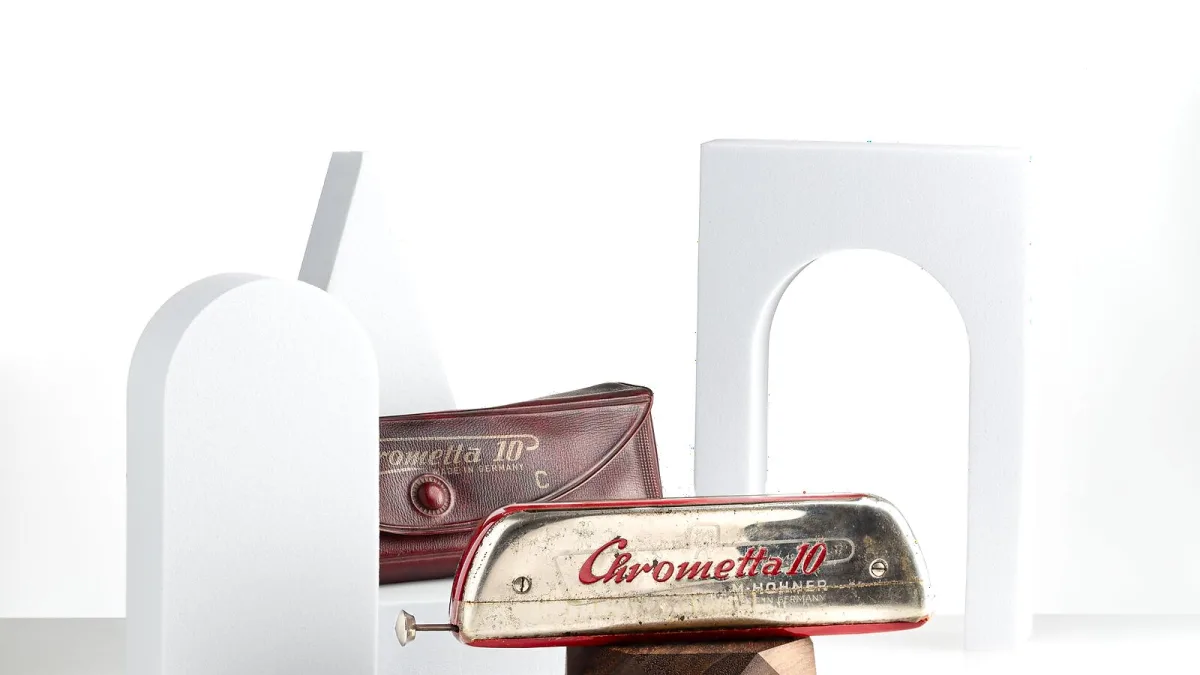
There's something quietly wonderful about buying a blues harmonica for the first time — a complete instrument that fits in a shirt pocket, costs less than a night out, and has the potential to take you years of learning to master. Getting the choice right from the start makes a real difference to how you develop. This guide covers everything worth knowing before you commit to a purchase.
Start With the Key of A
If you're buying your first blues harmonica, the key matters. Most experienced players recommend starting with an A harmonica for blues. In cross harp (second position), an A harmonica is used for a blues in E — one of the most common keys in the genre. The draw notes sit beautifully on a blues in E, and much of the classic recorded repertoire in the style is in this key.
C is another popular recommendation for beginners, partly because the note layout is the same as the piano's white keys and some instructional materials use it for ease of explanation. Both are valid starting points. A is generally the better choice if your goal is to play along with recorded blues music from the outset.
Reed Material and Comb Construction
A harmonica's reeds are what produce the sound — thin strips of metal (usually brass, sometimes stainless steel) that vibrate in response to air. The comb — the body that divides the instrument into individual chambers — can be made from wood, plastic, or metal.
- Brass reeds with plastic comb: The most common configuration in good-quality harmonicas like the Hohner Special 20 and Lee Oskar. Consistent, easy to maintain, and perfectly suited to blues.
- Brass reeds with wooden comb: The traditional choice, as in the Hohner Marine Band. Some players feel the wood adds warmth. The downside is that wood can swell with moisture during extended playing, affecting the seal.
- Stainless steel reeds: Found in premium models from Seydel (the 1847 series). Steel reeds last significantly longer than brass and resist corrosion. Worth the extra cost for serious players.
Price Brackets and What to Expect
The blues harmonica market spans a wide range of quality and price:
| Price range | Typical models | Suitable for |
|---|---|---|
| Under £15 | Hohner Bluesband, Fender Blues DeVille | Curious beginners only — limited playability |
| £25–£40 | Hohner Special 20, Lee Oskar Major Diatonic | Serious learners and intermediate players |
| £40–£70 | Hohner Marine Band, Hohner Crossover, Hohner Rocket | Intermediate to professional |
| £70–£120 | Seydel 1847 Noble, Seydel 1847 Classic | Professional players |
The most important thing this table shows: don't buy the cheapest. A sub-£10 harmonica will frustrate you before you've learned anything. The Hohner Special 20 at around £30 is the benchmark that nearly every experienced player recommends for anyone starting out seriously.
Airtightness and Response
When buying a blues harmonica in a shop (rather than online), test it immediately. Every note should respond cleanly to a moderate breath. If a note is slow to sound or requires noticeably more effort than its neighbours, the reeds or the seal around that chamber may be compromised. Minor variations are normal at the cheaper end; persistent problems with specific holes suggest a defective instrument.
Online purchases are slightly riskier in this regard — most major retailers accept returns on harmonicas, so if the instrument arrives with unresponsive reeds, send it back.
Single Key or Multi-Key Set?
Buying a multi-key set seems economical but rarely is in practice. Most sets at a reasonable price use lower-quality instruments that you'll want to replace anyway. Better to buy a single quality harmonica — an A or C — and add keys as you progress and understand what keys you need for the music you're playing.
Once you're playing with other musicians, you'll want harmonicas in A, Bb, C, D, E, F, and G as a minimum. Build the collection gradually, and stick to one brand and model so you know exactly what you're getting each time.
The Brands Worth Trusting
A few manufacturers have earned consistent respect from players:
- Hohner — the established name in blues harmonica. The Special 20 is the first choice recommendation for most learners.
- Lee Oskar — particularly popular with players who want to do their own maintenance, thanks to replaceable reed plates.
- Seydel — the premium choice for serious players, especially the stainless steel 1847 series.
- Suzuki — the Manji and Harpmaster models offer genuine quality at competitive prices.
Where to Go Next
If you want more detail on the different models at each price point, our guide to the best blues harmonicas for the money covers the options clearly. If you're just starting to play, the beginner's guide lays the foundations. And if you want to understand the instrument more deeply before you buy, our explainer on features, types and tips goes into the mechanics.






Comments