


Balalaika article
Balalaika for Beginners: A Complete Guide
Sore fingertips, thin strums, notes that fade fast — all completely normal. Here's a patient, encouraging first-steps guide to picking up the balalaika.
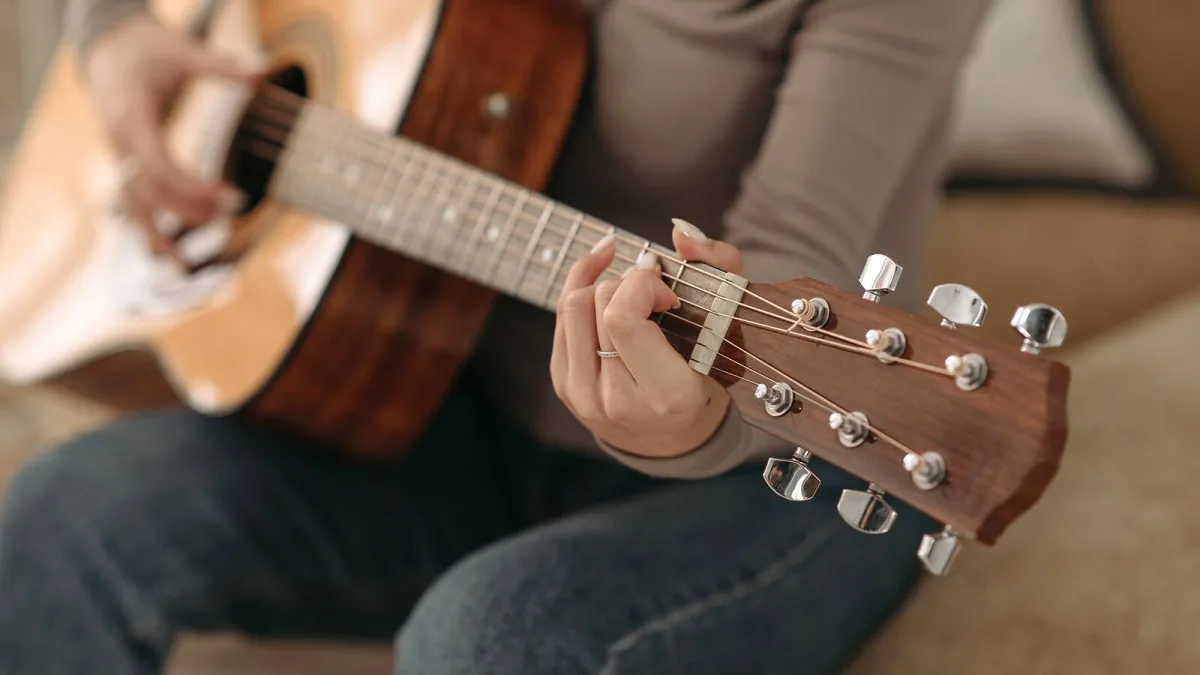
If you've just brought home your first balalaika, or you're still deciding whether to, take a breath — this is one of the friendlier folk instruments to get started on. You don't need to read music, you don't need strong fingers on day one, and you certainly don't need to sound polished before it feels good to play. Let's take it one small step at a time.
First, get to know what you're holding
Your balalaika has a triangular body, a fretted neck and three strings. Most beginners start on the prima balalaika, the smallest and most common size, tuned E–E–A — that means the two lower strings are tuned to the exact same note, and the top string sits a little higher, a fourth above them. Don't worry about memorising the theory behind that straight away. For now, just know a balalaika is tuned quite differently to a guitar, so try not to force old habits onto it before you've spent time with how it actually feels.
Get comfortable before you play a single note
Sit with the balalaika resting against your body, the triangular base tucked comfortably, and let your fretting hand find the neck without straining your wrist. There's no rush here. Spend your first few sessions simply holding it, getting used to its weight and shape, before you worry about sounding like anything at all.
Your first sound: a simple strum
The most forgiving way in is a plain downward strum across all three strings, open, with no fingers on the frets yet. Listen to how bright and short each strum is — that quick decay is completely normal and is simply how a balalaika behaves, not a fault in yours. Once that feels natural, add an upward strum after it, so you're moving down-up, down-up in a steady rhythm.
Your first fretted notes
When you're ready, press a single string down gently just behind a fret with one finger and strum again. Notice how little pressure you actually need — press too hard and your fingertip will ache before you've built up any calluses. Take it slowly:
- Start with one finger on one string, and get that comfortable first.
- Add a second finger only once the first feels easy, not before.
- Keep sessions short — ten or fifteen minutes at a time suits sore fingertips far better than an hour-long push.
- Expect a little tenderness in your fingertips for the first couple of weeks. It passes.
A word about tremolo — and why it isn't a beginner skill
You'll almost certainly hear tremolo — the rapid alternating strokes that let a note ring on far longer than the string's natural sustain would allow — and it's tempting to chase it straight away because it's the sound most people associate with the balalaika. Please don't rush it. Tremolo rewards a relaxed hand and steady timing, and trying to force speed before either of those is in place tends to build tension that's hard to undo later. Simple strumming and single plucked notes are plenty to be working on for now.
Little and often beats long and rare
Ten focused minutes most days will take you further than one long session a week. Your hands genuinely learn while you're not playing the balalaika too — the muscle memory settles in the gaps between practice, not only during it. If a session feels frustrating, it's completely fine to put it down and come back to it tomorrow.
Common early wobbles, and why they're nothing to worry about
| What you might notice | Why it happens |
|---|---|
| Notes fading almost instantly | Balalaika strings simply don't sustain like a guitar's — that's the instrument, not you |
| Sore fingertips | Completely normal in the first few weeks; calluses build with regular short sessions |
| Chords sound "wrong" compared to guitar shapes | The E–E–A tuning works differently — give your ear time to adjust rather than fighting it |
| Strumming sounds thin | Often just confidence — a firmer, more relaxed strum usually solves it |
When you're ready to go further
Once the basics feel steady, our fuller guide to the balalaika's features and family of sizes is a good next read, especially if you're curious where the prima fits among its bigger relatives. If you're still weighing up buying your first instrument, our buyer's guide and our round-up by budget will help you avoid the common pitfalls, and our piece on common mistakes to avoid is worth a read once you've got a few weeks of playing under your belt.
The bottom line
You don't need to sound accomplished in your first month, or even your third. Learning the balalaika is simply a matter of small, repeated, patient steps: comfortable posture, a light touch, honest short practice sessions, and trusting that the awkward early stage genuinely does pass. Be kind to yourself while your fingers catch up with your ears — every player who now makes it look easy started exactly where you are.



Comments